Published: March 2, 2026 | Last updated: September 2026. Crowd data, festival dates, and transport notes checked against 2024-2026 traveler reports and current station schedules.
Written and maintained by the My Senpai Team. Station names, opening hours, and ticket policies were checked in September 2026; some details (especially festival dates and seasonal hours) can shift year to year, so confirm anything time-critical before you travel.
This guide is for travelers who want Tokyo to feel like a real city, not a checklist of Instagram spots. Every spot below is reachable by train, pairs with something already on a standard itinerary, and was chosen because it has something genuinely worth seeing, not because it photographs well. If you're looking for non-touristy Tokyo neighborhoods, quiet local spots off the beaten path, or somewhere to go near Shibuya or Shinjuku that isn't the obvious next stop, you're in the right place.
Senso-ji on a Saturday morning looks like a fire drill that got out of hand. Shibuya Crossing is genuinely impressive until you've crossed it twice and realized that the experience was entirely about the crossing, not whatever is on the other side. These places are worth seeing. The problem is that a trip built entirely around that kind of itinerary leaves Tokyo feeling like a theme park version of itself.
The ten spots below are all easy to reach, all have something real going for them, and none of them will have you waiting in line to photograph a sign. Some are five minutes from places already on your list. This isn't a list of secrets. It's a list of good places that most visitors skip because they don't show up on the first page of Tokyo travel results.
At a Glance: All 10 Spots
Crowd level, best season, and train line, use this to plan which spots fit your existing itinerary
| # | Spot | Crowd Level | Best Season | Train Line | Pairs With |
|---|---|---|---|---|---|
| 1 | Yanaka 谷中 | Low | Spring / Autumn | JR Yamanote | Ueno |
| 2 | Shimokitazawa 下北沢 | Low–Medium | Autumn / Year-round | Odakyu / Keio | Shibuya |
| 3 | Kichijoji 吉祥寺 | Low–Medium | Spring / Autumn | JR Chuo / Keio | Shibuya |
| 4 | Kagurazaka 神楽坂 | Low | Spring / Autumn | Tozai / multiple | Shinjuku |
| 5 | Koenji 高円寺 | Low–Medium | Summer / Autumn | JR Chuo | Shinjuku |
| 6 | Nakameguro 中目黒 | Busy (sakura season) | Autumn / off-peak spring | Hibiya / Toyoko | Shibuya |
| 7 | Jinbocho 神保町 | Very Low | Year-round / Autumn | Hanzomon / Mita | Akihabara |
| 8 | Nezu Shrine 根津神社 | Low | Late April (azaleas) | Chiyoda Line | Yanaka / Ueno |
| 9 | Todoroki Valley 等々力渓谷 | Very Low | Summer / Autumn | Tokyu Oimachi | Jiyugaoka |
| 10 | Gotokuji Temple 豪徳寺 | Low | Year-round / Autumn | Odakyu | Shimokitazawa |
"Pairs With" shows the nearest major tourist site, most of these spots are less than 30 minutes from something already on your list.
Yanaka 谷中: Old Tokyo Neighborhood, Still Intact
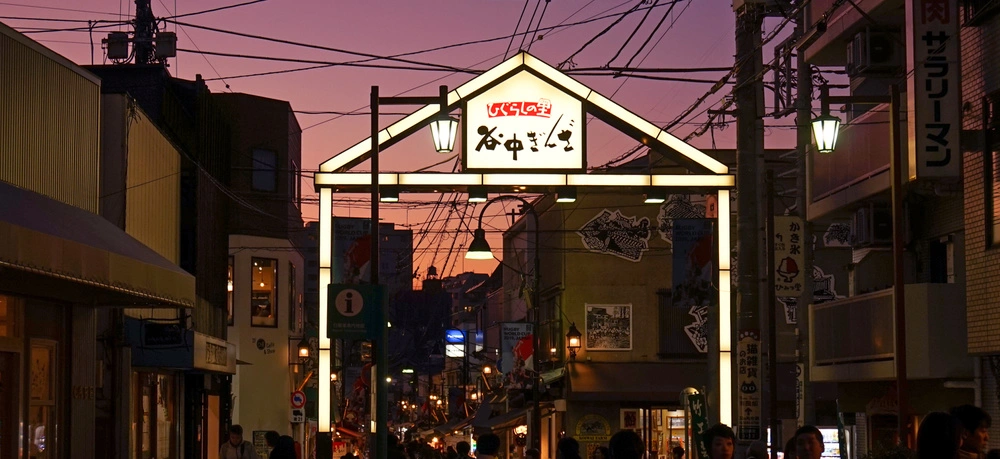
Most of Tokyo was flattened and rebuilt after the war. Yanaka largely wasn't. Walking the Yanaka Ginza (谷中銀座) shopping street and the lanes branching off it, you get a real sense of what a working-class Tokyo neighborhood looked like before the postwar reconstruction, low wooden shopfronts, tofu vendors, the occasional cat sitting on a wall doing nothing useful. It's not preserved as a tourist attraction. People live there.
The adjacent cemetery, 谷中霊園 (Yanaka Reien), is a genuinely nice place to walk. Enormous old trees, quiet paths, and during cherry blossom season, almost nobody competing for photos. It's also one of the few places in Tokyo where the city noise drops to something close to silence in the middle of the day.
Timing tip
Go before 10 AM on a weekday. The shopping street is calm, shopkeepers are setting up, and the cemetery is quiet enough that you can hear the birds. Come back at noon and it's pleasant but noticeably different.
Shimokitazawa 下北沢: Vintage Shops and Live Music Near Shibuya
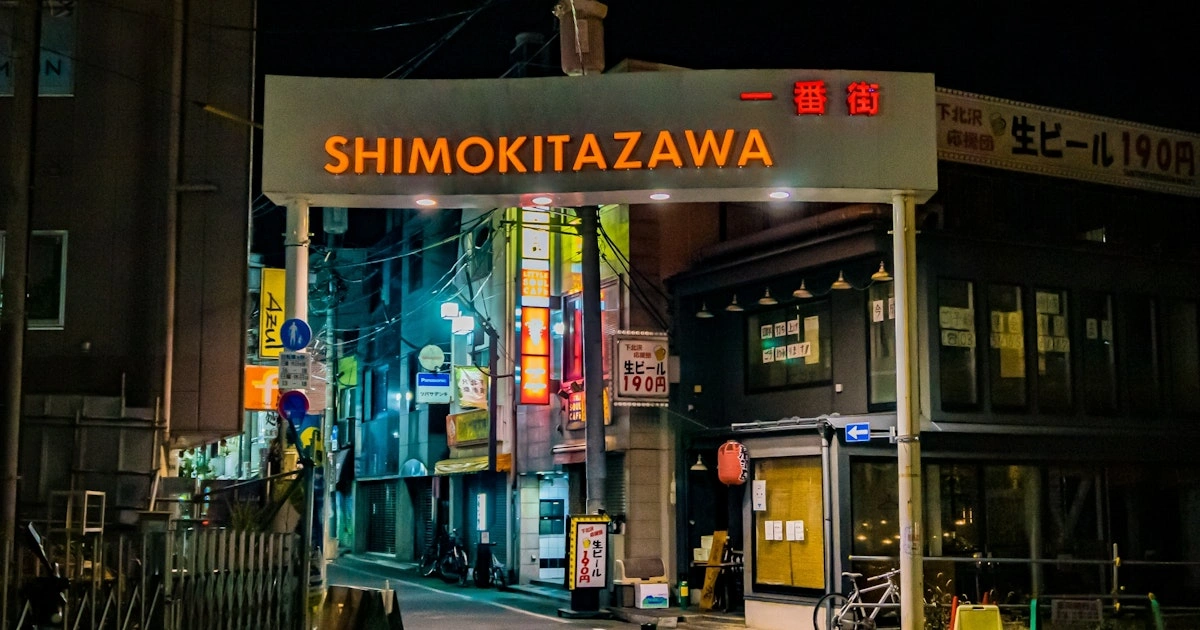
Shimokitazawa has been Tokyo's center of youth subculture for decades. Vintage clothing shops, small live music venues, independent cafes, and curry restaurants wedged into spaces that probably shouldn't legally contain a kitchen. It's the kind of neighborhood that takes a week to explore properly and rewards a second visit. It's also, deliberately, hard to drive through, which has kept chain-store density lower than most inner-city shopping areas.
It gets busy on weekends. Not tourist-busy, young local busy. The difference is that everyone there is actually doing something: shopping, eating, heading to a show. You walk out of the station and you're already in the middle of it; there's no slow approach.
Live music
Venues like Shelter and Club Que regularly have shows starting at 7–8 PM. Tickets are usually affordable. If your trip overlaps with the Curry Festival in October, it's a legitimate reason to visit.
Kichijoji 吉祥寺: Park, Izakayas, and Studio Ghibli Adjacency
Kichijoji consistently ranks at the top of surveys asking Tokyo residents where they'd most like to live. It has a large, wooded park with rowboats on a central pond, a cramped standing-bar alley called Harmonica Yokocho (ハーモニカ横丁) where the concept of personal space has been collectively abandoned, decent shopping, and (relevant for one specific segment of the population) it's on the same Keio Inokashira Line that takes you to the Ghibli Museum.
Inokashira Park (井の頭公園) is the main draw. During cherry blossom season the falling petals cover the pond surface pink. On summer evenings, Harmonica Yokocho fills up to capacity in about forty minutes and strangers end up talking across one-foot-wide counters.
Harmonica Yokocho timing
Arrive after 7 PM. Before that it's mostly empty. The density and atmosphere that make it interesting only appear once the evening crowd fills it up.
Kagurazaka 神楽坂: Tokyo's French-Japanese Quarter Near Shinjuku
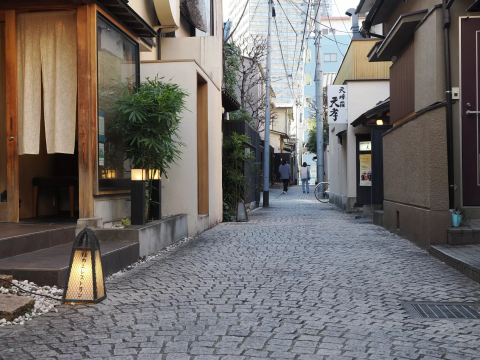
Kagurazaka has an odd history: it was a geisha district that somehow also became home to a large French expat community, and the traces of both are still legible. The main slope (神楽坂) is lined with restaurants blending French technique and Japanese ingredients in ways that aren't a gimmick. The narrow stone alleys branching off it, Hyogo Yokocho especially, are photogenic without being staged. The stone is real, the ivy is real, the cats are real.
Most of the time it's quiet. The late-July Kagurazaka Awa Odori festival briefly changes that, bringing thousands of people to the main street for 阿波踊り (awa odori) dancing. The October Bakeneko (化け猫) cat parade, costumed locals wandering the back alleys, no stage, no PA system, is one of those events that's distinctly Tokyo and almost unknown outside it.
Book ahead
Kagurazaka's better restaurants are small. Make a reservation for weekend evenings. Walk-in for lunch is usually fine. Our Japanese restaurant phrases guide covers the situations that actually come up.
Koenji 高円寺: Subculture, Vintage, and Summer Chaos
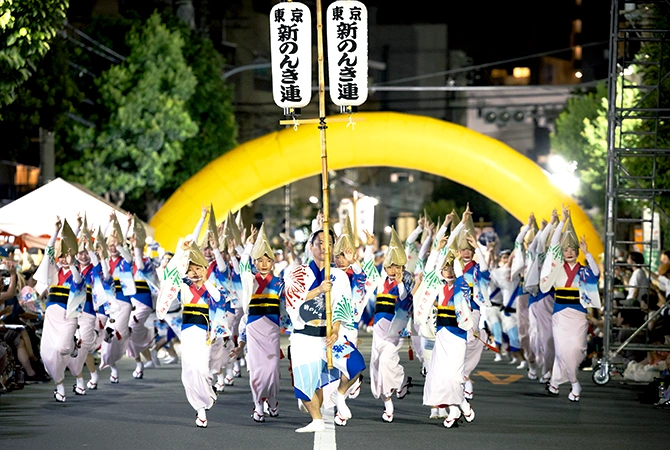
Koenji is six minutes from Shinjuku by rapid train and functions as its opposite. Where Shinjuku is corporate neon and optimized for consumption, Koenji is artists, vintage shops, old-school 喫茶店 (kissaten, coffee shops), and bars that look like they haven't updated their decor since 1985. This is mostly intentional. The neighborhood has actively resisted the kind of development that transformed other inner-city areas.
The Koenji Awa Odori festival on the last weekend of August draws over 10,000 dancers and around half a million spectators. It's organized chaos in the most specifically Japanese way: loud, enthusiastic, and somehow still running on schedule.
Kissaten culture
Look for older, wood-paneled coffee shops with hand-written menus. Modest prices, strong coffee, and nobody will make you feel rushed. The area also has a high density of good ramen shops, our ramen phrases guide demystifies the ticket machine process.
📍 Planning your Tokyo itinerary?
Even a little Japanese goes a long way, menus, station signs, and asking directions all become much less stressful. Our Kana Challenge covers both hiragana and katakana in about a week of light practice.
Try Kana Challenge, Free →Nakameguro 中目黒: Canal Walks Near Shibuya (With a Timing Caveat)
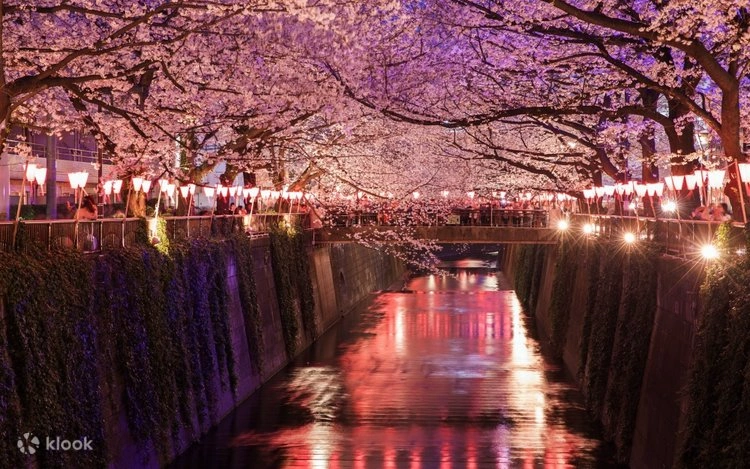
Nakameguro: When to Go (and When to Avoid It)
The same canal path is two completely different experiences depending on when you visit
If you want the cherry blossoms, go before 8 AM or walk downstream, the crowd thins out noticeably after a ten-minute walk in that direction.
Nakameguro's reputation is built almost entirely on one thing: the Meguro River in late March and early April, when the cherry trees arching over the canal drop petals into the water. It's exactly as beautiful as the photos suggest. It is also, during that window, one of the most crowded places in the city.
Outside of that specific window, Nakameguro is a genuinely good neighborhood: boutique shops, architecture worth looking at, cafes, and restaurants where you can eat well without planning three days ahead. Autumn is arguably the better visit.
Jinbocho 神保町: Tokyo's Used Bookshop District (and Surprisingly Good Curry)
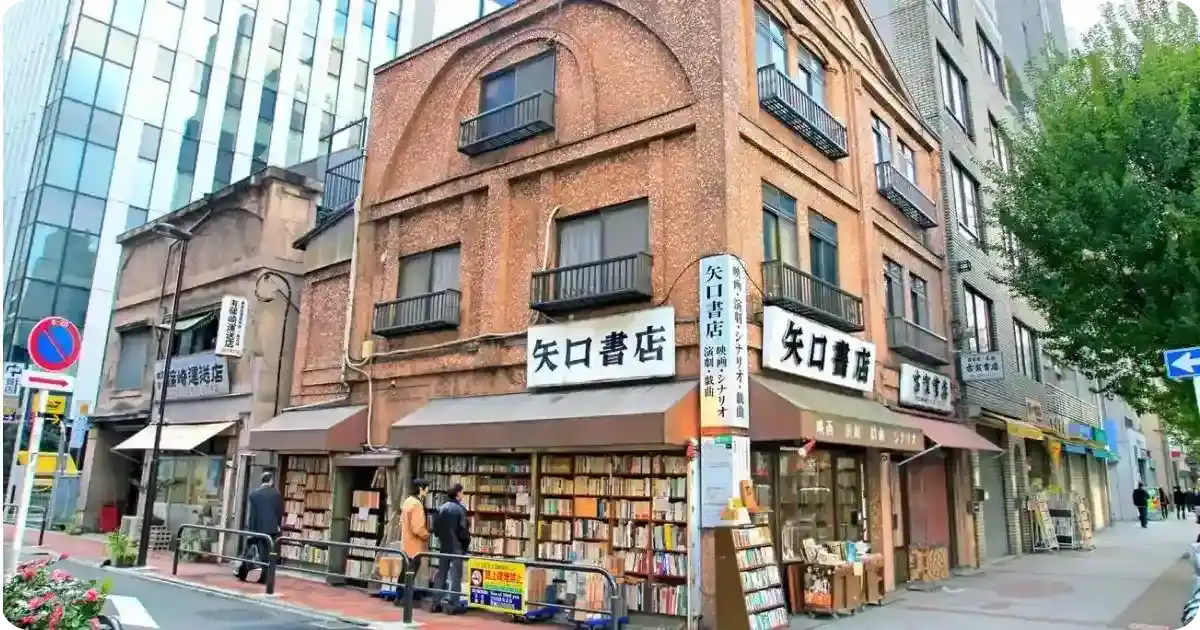
Jinbocho (神保町) is where Tokyo's used bookshops have been concentrated since the Meiji era. The streets around the station are lined with shops selling secondhand books, vintage manga, old maps, sports memorabilia, military history, ukiyo-e prints, and academic texts in a dozen languages. If you're a reader, clear your afternoon. If you're not, the curry restaurant density in this area is unexpectedly high, which gives you a legitimate reason to come anyway.
The annual Kanda Used Book Festival in late October and early November extends the inventory into outdoor stalls along the street. It's well-known in Tokyo, almost unknown to international visitors, and the kind of event where you spend 500 yen on something and feel like you found it rather than bought it.
Nezu Shrine 根津神社: Torii Gates Without the Kyoto Queue (Near Ueno)
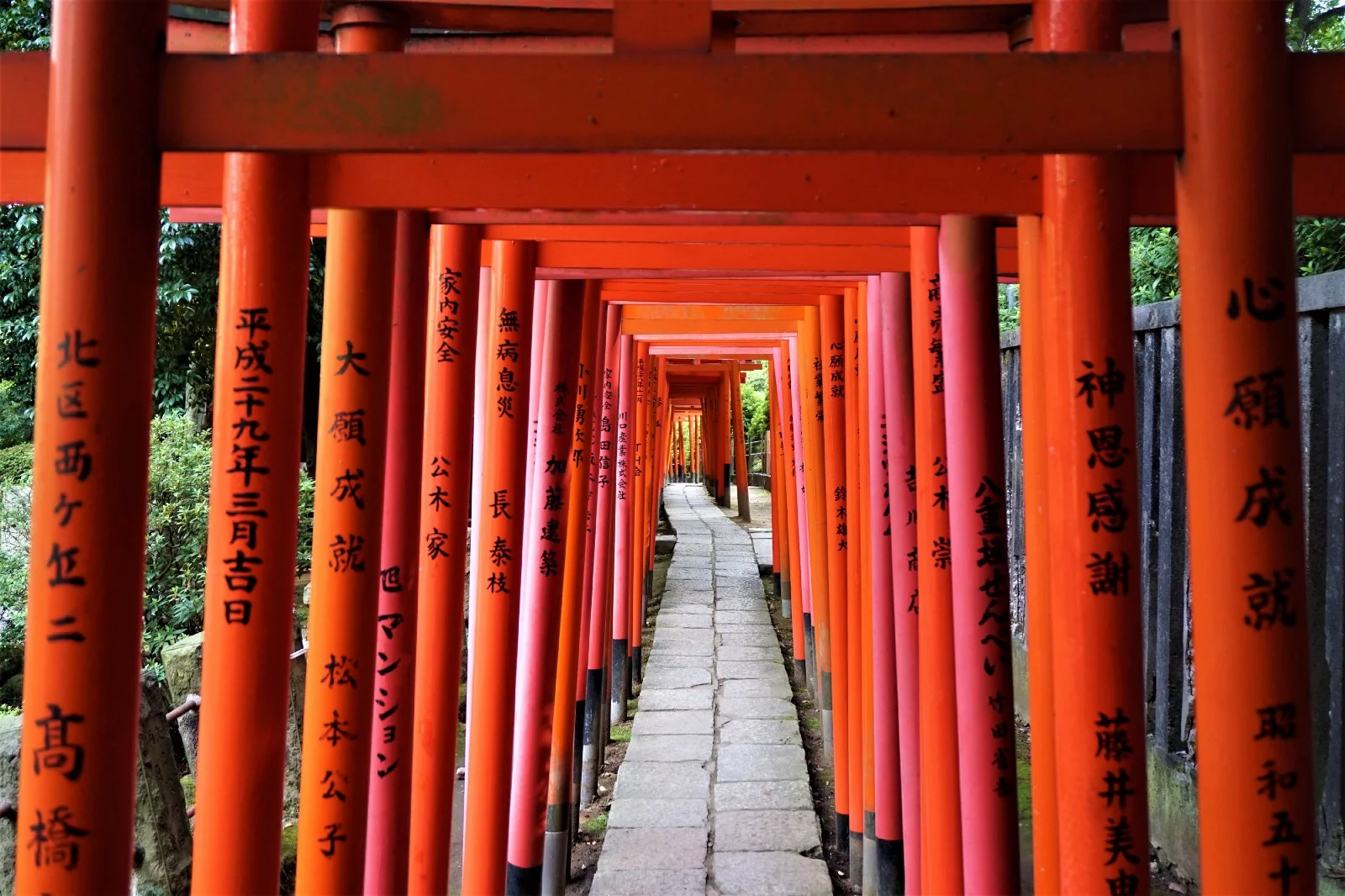
Nezu Shrine has the tunnel of torii gates that people travel to Kyoto's Fushimi Inari for, at a fraction of the crowd and a fraction of the commute from central Tokyo. The approach is lined with successive red-orange gates (根津神社の千本鳥居), and while it's not as sprawling as Fushimi Inari, you can actually walk through it without stopping every ten seconds for someone else's photograph. That alone makes it worth the comparison.
The shrine itself dates to 1705 in its current form, making it one of Tokyo's older surviving structures. The late-April azalea festival, 文京つつじまつり (Bunkyo Tsutsuji Matsuri), brings around 3,000 plants into bloom on the hillside behind the main hall. During the festival the shrine gets busy. The rest of the year, it's peaceful and often nearly empty.
Todoroki Valley 等々力渓谷: Tokyo's Hidden Gorge in Setagaya Ward
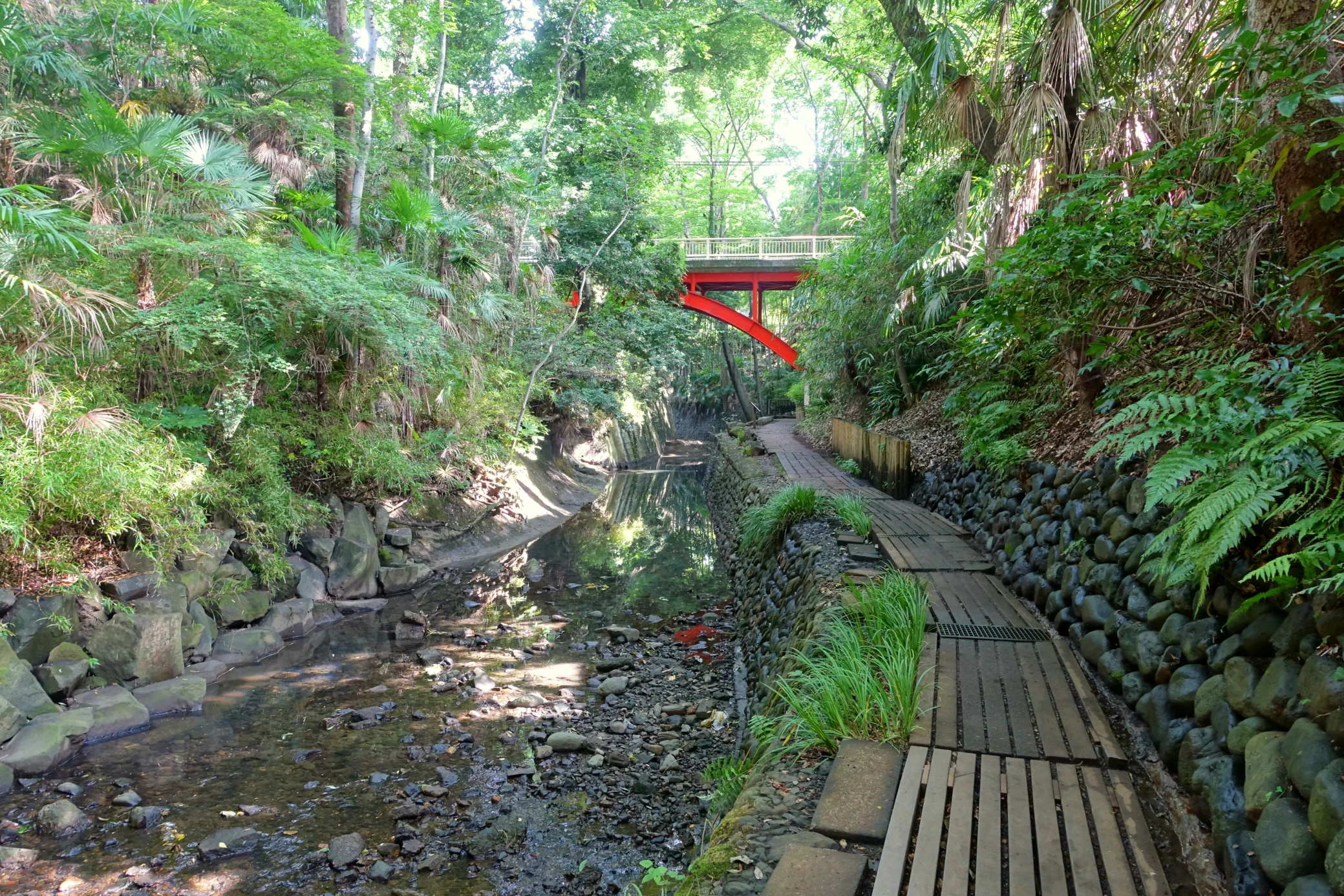
Tokyo is almost entirely flat. Todoroki Valley (等々力渓谷) is the exception: a narrow gorge cut by the Yazawa River that runs for about one kilometer through heavily wooded terrain in the middle of Setagaya ward. The descent from street level to the valley floor takes about two minutes. Then you're in a completely different environment, mossy rocks, running water, bamboo groves, and a temperature that drops noticeably even on a warm day. The city noise stops almost immediately.
Summer visit
The temperature difference between street level and the valley floor is the most useful in summer. Go in the morning when the light is better and it's already cooler, the gorge holds the cold air longer than surrounding streets.
Gotokuji Temple 豪徳寺: The Original Maneki-neko Lucky Cat Temple, Setagaya
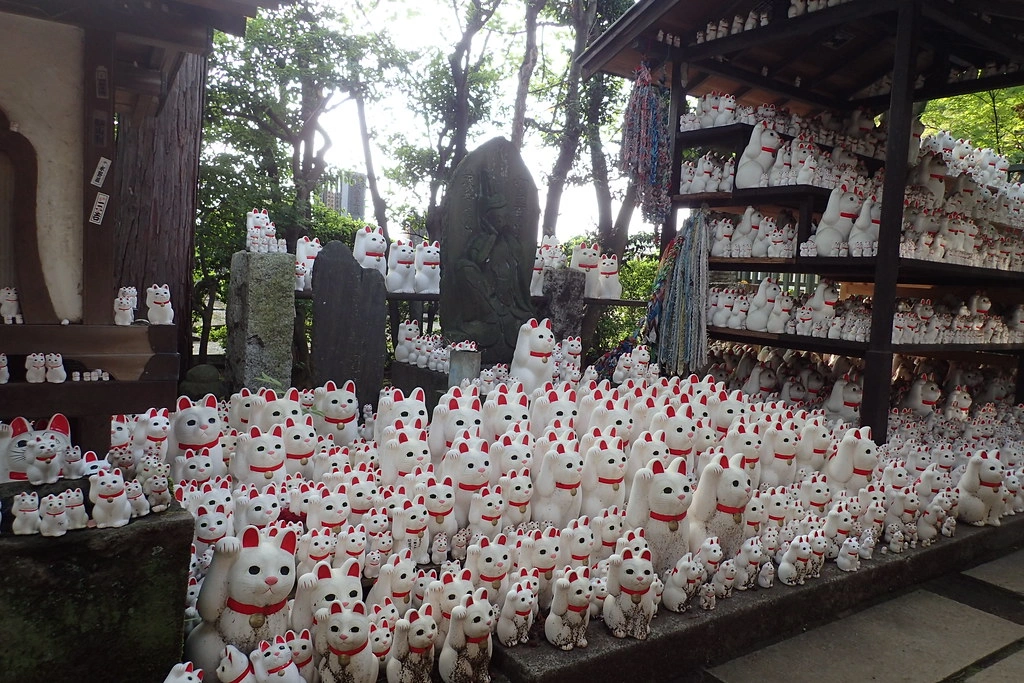
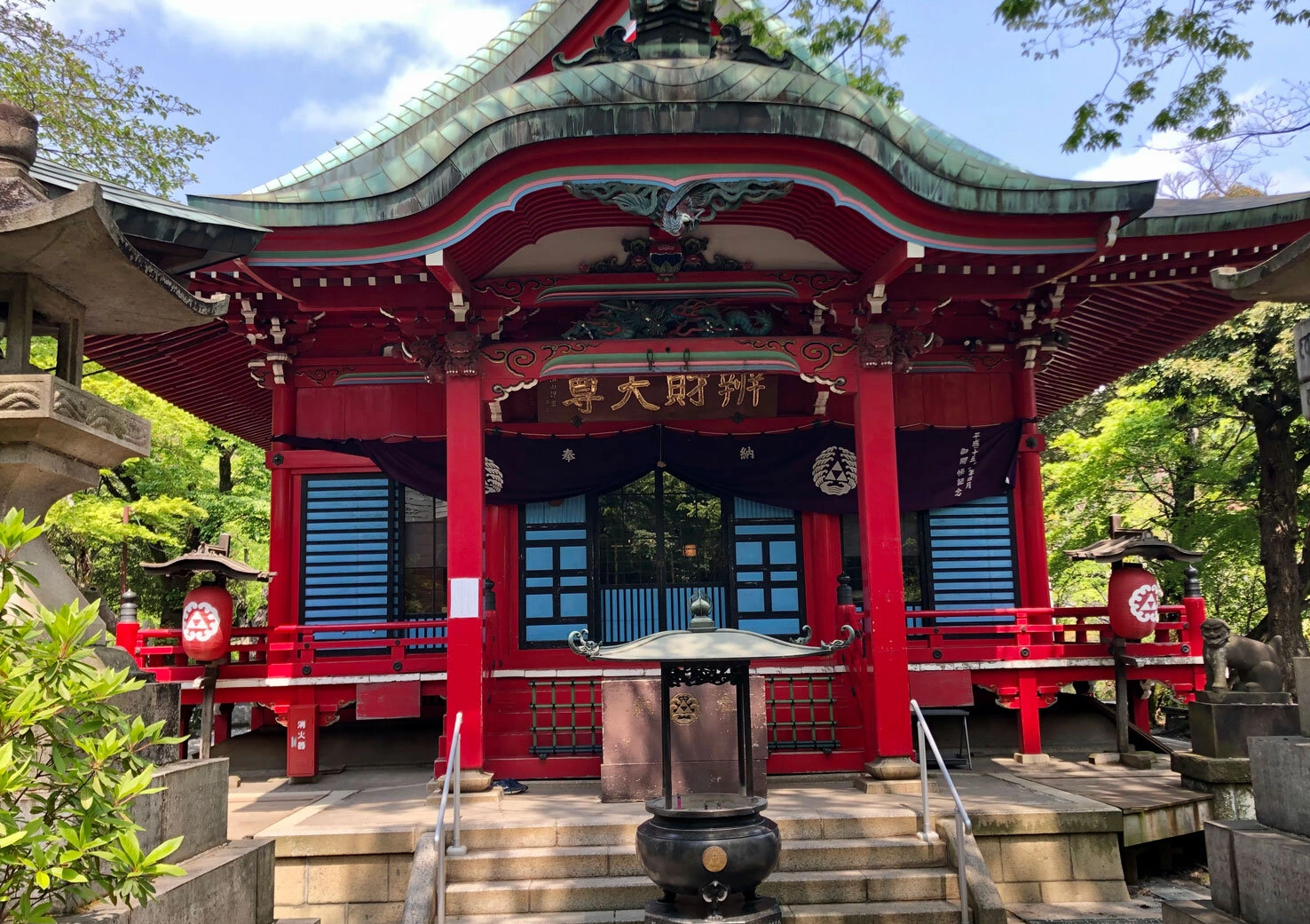
The 招き猫 (maneki-neko, beckoning cat) figurine found in shop windows around the world is said to have originated at Gotokuji Temple in Setagaya, a claim that Japan's national tourism board corroborates. The story involves a feudal lord sheltering under a large tree, being beckoned away by the temple's cat just before lightning struck it. At some point the symbol became a global export whose origins most people buying one have no idea about.
What you find at the temple today is a quiet Buddhist compound with a shelf, then a wall, then an entire structure, covered in white ceramic maneki-neko of every size, left by visitors as offerings. It reads as slightly surreal. The temple grounds are peaceful outside mid-day, free to enter, and pairs naturally with Shimokitazawa, four minutes away by train.
The Setagaya Tram
If you take the Setagaya-sen (世田谷線) to Miyanosaka, the tram itself is worth the ride. One of the few remaining streetcar lines in Tokyo, running slowly through residential streets in a way that feels nothing like the subway.
Honorable Mentions
Six more spots that nearly made the main list. Same level of honesty, less space.
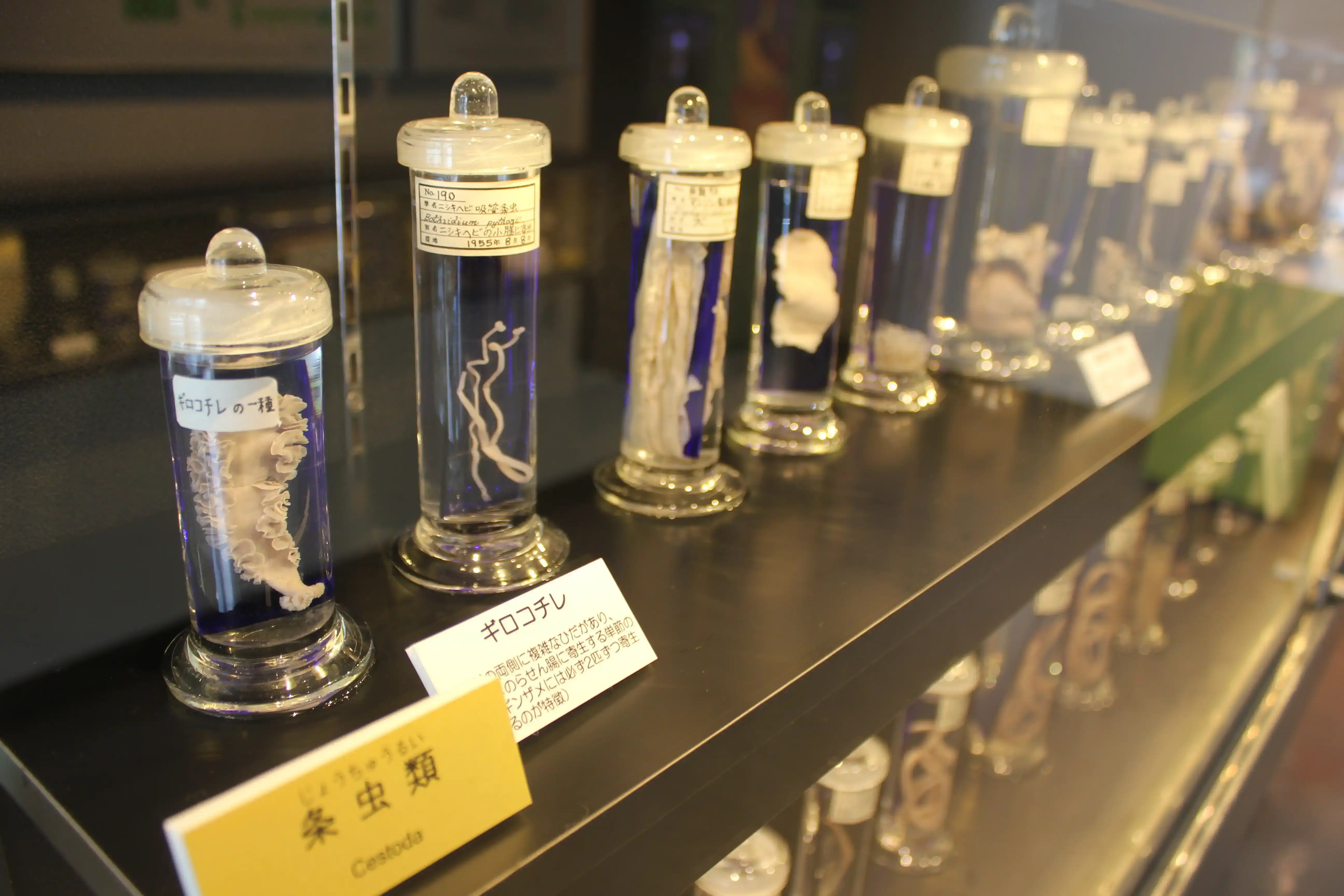
Meguro Parasitological Museum
Very LowA free museum dedicated to parasitology, with over 60,000 specimens including an 8.8-metre tapeworm in a glass case. Closed Mondays and Tuesdays. Near Meguro Station, 8 min walk. Natural pair with Nakameguro. Maps
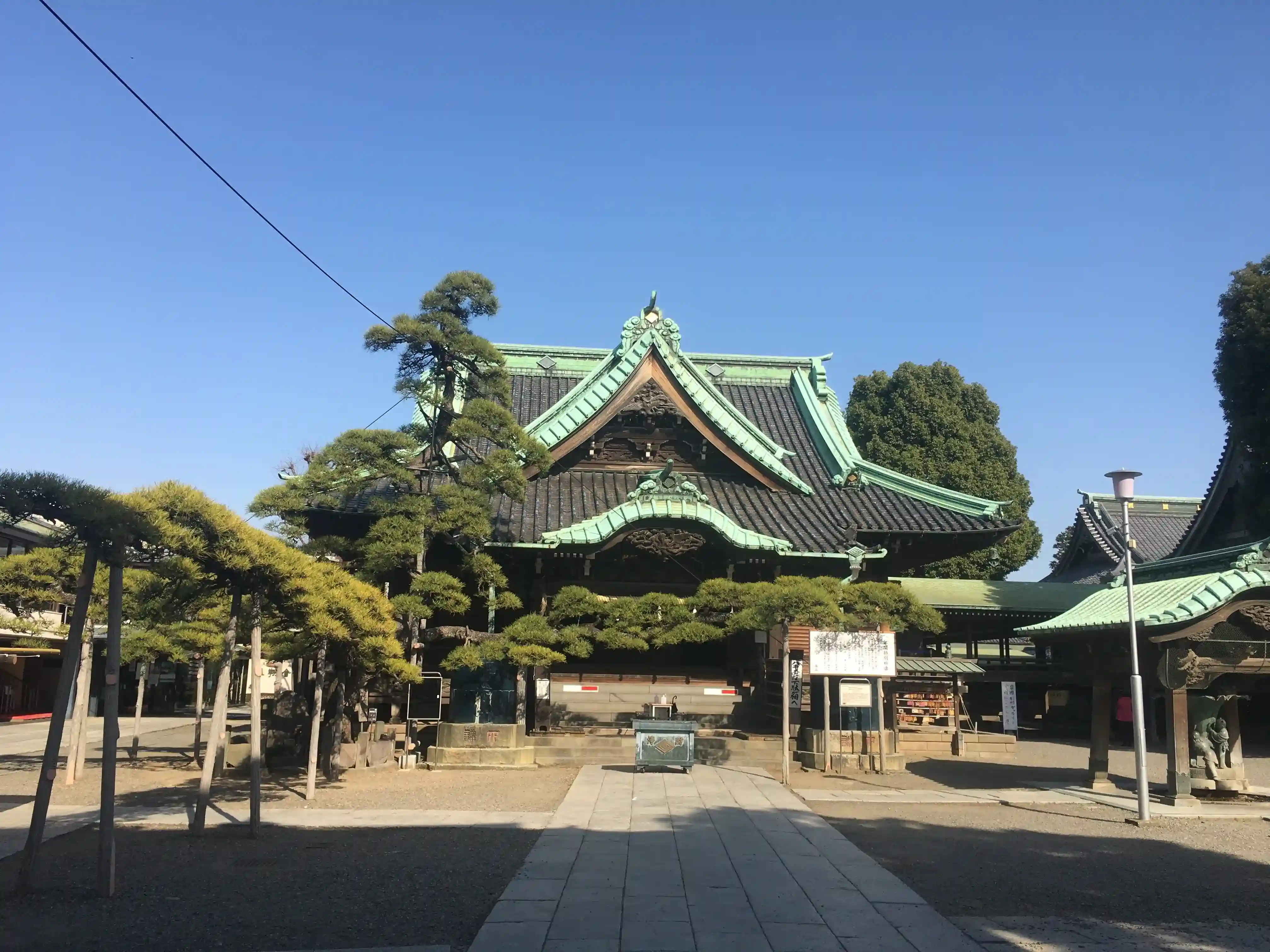
Shibamata 柴又
Very LowA retro shopping street near a classic temple that looks like it was designed for a 1960s film set. Best in spring or autumn. Nearest station: Shibamata (Keisei Line): 5 min walk. Maps
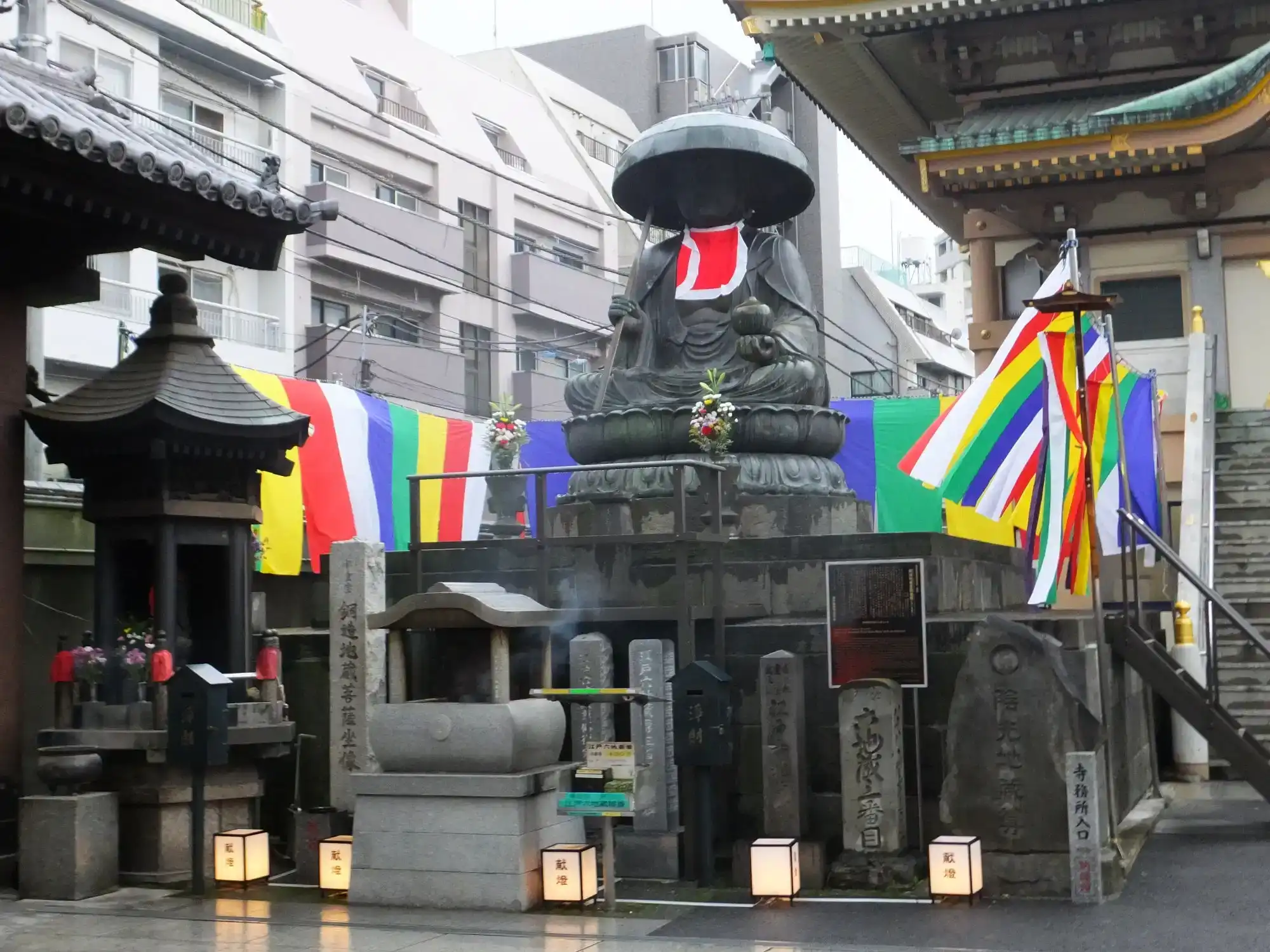
Sugamo 巣鴨: Jizo Dori
LowDescribed accurately as "Harajuku for grannies." A long covered shopping street centered on religious goods, traditional sweets, and practical clothing for older women. The contrast with the rest of Tokyo retail culture is genuinely interesting. Sugamo Station (JR Yamanote): 2 min walk. Maps
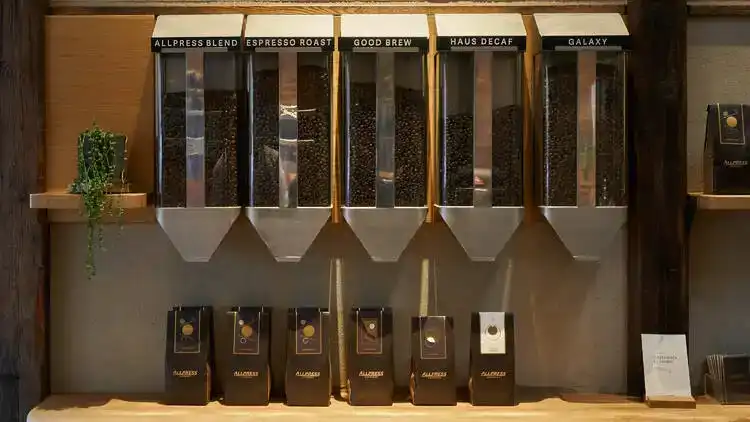
Kiyosumi Shirakawa 清澄白河
LowBecame Tokyo's specialty coffee hub over the past decade. Canal-side industrial neighborhood with some of the city's most serious third-wave coffee shops alongside old warehouses. Best spring or autumn. Kiyosumi-Shirakawa Station (Hanzomon/Oedo): 3–5 min walk. Maps
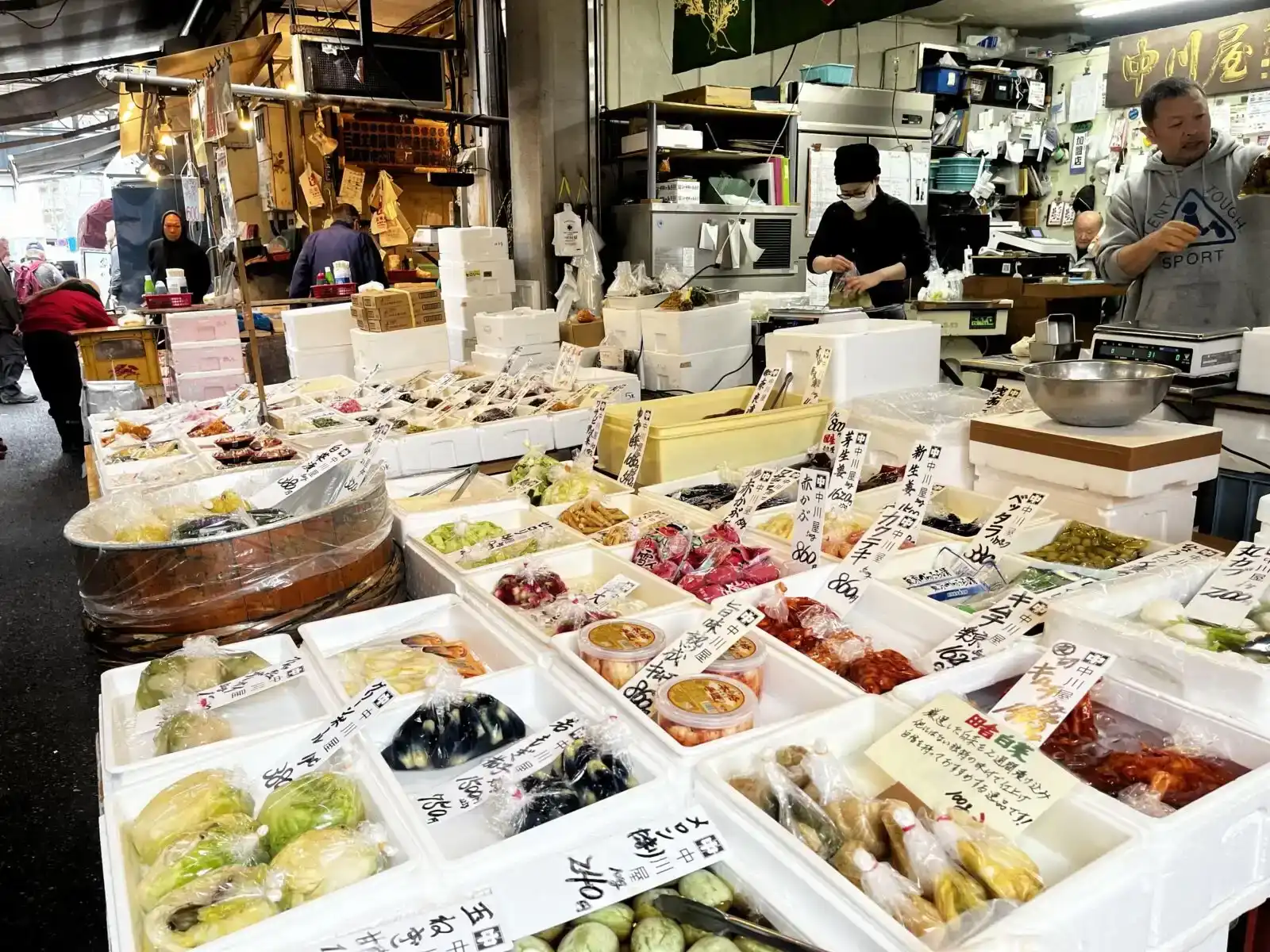
Tsukiji Outer Market 築地
Low–Medium (mornings)The inner wholesale market moved to Toyosu in 2018. The outer market, smaller shops and food stalls surrounding the old site, stayed and is still operating. Early morning is when it's at its best. Tsukijishijo Station (Oedo Line): 1–3 min walk. Maps
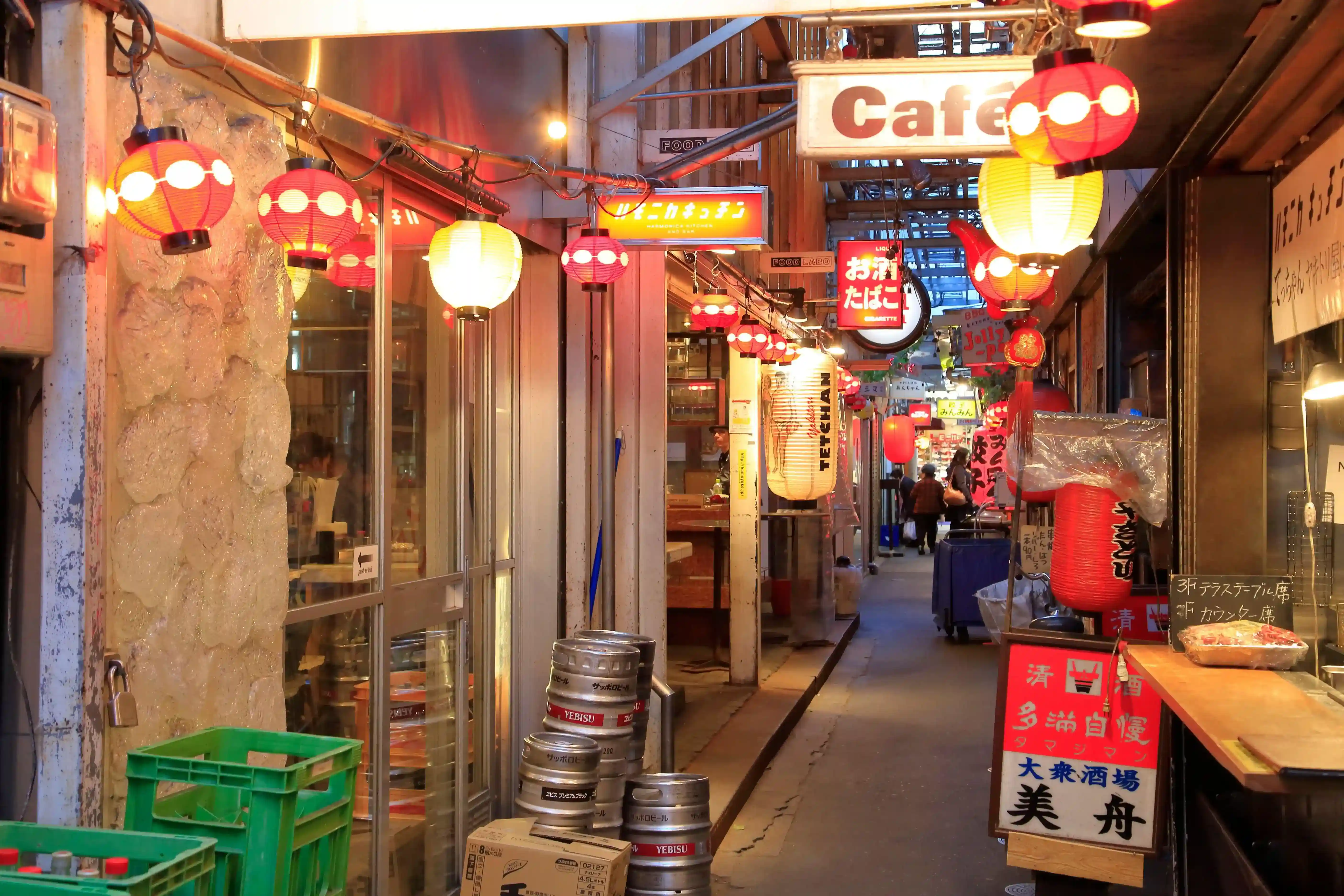
Harmonica Yokocho ハーモニカ横丁
Low–Medium (evenings)A cramped alley of ten-seat bars in Kichijoji, best after 7 PM when every stool is taken. Year-round, 2 min from Kichijoji Station. The evening atmosphere is completely different from the rest of the neighborhood. Maps
A Few Practical Notes
A few things that apply across most of these spots and don't need to be repeated in every entry above.
Transport
All ten spots are reachable by subway or JR train. Get a Suica or Pasmo IC card at any major station, it works on every subway line, JR line, most buses, and most convenience stores. It costs a 500-yen deposit on top of whatever balance you load, refunded along with any unused balance when you return the card at a JR East ticket office. You don't need to think about it again until you leave.
Use Jorudan, not Google Maps, for trains
Google Maps works for walking and rough navigation, but for train routes in Japan, where the fare structure, transfer options, and express vs. local distinctions actually matter, Jorudan (乗換案内, free on iOS and Android) is what locals use. It gives you platform numbers, exact transfer times, and fare breakdowns in English. Install it before you arrive. Our Japanese transportation phrases guide covers everything from ticket machines to asking which exit to take.
Money
Card acceptance in Tokyo has improved but the further you get from tourist infrastructure, the more likely you are to encounter cash-only places. Older kissaten, small ramen shops, independent booksellers in Jinbocho, all may be cash only. 7-Eleven ATMs accept international cards reliably. Don't put yourself in a situation where the only ATM nearby is a regional bank branch.
Peak Periods
Late April through early May (Golden Week) and mid-August (Obon) are when domestic travel peaks in Japan. These spots are still manageable compared to the major tourist sites during those periods, but "relatively quiet" doesn't mean empty. Adjust expectations accordingly.
Language
You don't need Japanese for any of these spots. You'll use it more than you expect if you have it. すみません (sumimasen) gets attention politely. ありがとうございます (arigatou gozaimasu) handles any transaction or assistance. 一人です (hitori desu) answers the most common restaurant-entry question. Learning the kana alphabets takes about a week of light practice and makes a substantial difference. Our Kana Challenge covers both hiragana and katakana.
Useful reading before your trip, travel phrase guides:
- Essential Japanese phrases for travel , the ones that actually come up, with pronunciation guides
- Japanese restaurant phrases , ordering, allergies, asking for the bill, and navigating izakayas
- Japanese ramen phrases , for the ticket machines and toppings customisation common in Tokyo ramen shops
- Japanese transportation phrases , train exits, fare queries, and what to say when you've missed your stop
- Japanese hotel phrases , check-in, requests, and common front-desk situations
Heading to Osaka as well? Read the companion guide, 10 local Osaka experiences most tourists miss.
Already learning Japanese? Building vocabulary and common beginner questions are worth a look before you go.
Frequently Asked Questions
Which of these spots pair best with existing tourist
sites?
Which spots work well with children?
Do any of these require advance booking?
Which spot has the best food?
Is English signage available at these locations?
📋 Want this as a printable reference?
Share this page or bookmark it, the "At a Glance" table at the top gives you everything you need at a glance when you're planning offline. For deeper Japanese practice before your trip, our tools are free to start.
The short version
Senso-ji and Shibuya Crossing belong on the list. So does at least one of these. Yanaka and Todoroki require the least adjustment to a standard itinerary and give back the most in return. Nakameguro in autumn is significantly better than Nakameguro in peak sakura season. Jinbocho is only worth the trip if you like bookshops. Harmonica Yokocho is only worth the trip after 7 PM. You'll figure the rest out when you get there.
If Tokyo decides to rain on your plans, most of the neighborhoods above, especially Koenji, Jinbocho, and Shimokitazawa, hold up well indoors. For a full guide to what to do when it pours, see our Tokyo rainy day activities guide.
Want to see how other travelers fit places like these into a trip? TabiTrace lists real Tokyo itineraries submitted by the people who took them, with routes and costs.