Published: March 10, 2026 | Last updated: September 3, 2026 · Admission prices and opening days verified at time of writing
This guide is for travelers who woke up to rain and need a real plan. Every option below is fully indoors or covered, reachable by train, and chosen because it's actually worth a few hours of your time. If you're looking for things to do in Tokyo on a rainy day, Tokyo indoor activities, or somewhere nearby that isn't a department store basement, you're in the right place. (Though the department store basement is also covered; it legitimately earns its spot.)
Tokyo gets rain. June is tsuyu (梅雨), the rainy season, and it can last six weeks. Typhoon season runs from late August into October. The rest of the year has its moments too. The good news is that the city is designed for it: covered shopping streets (shotengai), enormous underground station networks, and a density of indoor attractions that most cities half its size couldn't match.
The ten options below range from world-class museums to the specific pleasure of sitting in a 60-year-old coffee shop while rain hits the window. All of them hold up to a full rainy day. None of them require you to have planned three days ahead. If you want to pair a rainy day with some of the city's less obvious neighborhoods, see our non-touristy Tokyo spots guide for areas with good indoor options nearby.
At a Glance: All 10 Rainy Day Options
Cost, nearest station, and what to expect: use this to find what fits your current location
| # | Activity | Cost | Nearest Station | Best For |
|---|---|---|---|---|
| 1 | teamLab Planets | ¥3,200–¥4,000 | Tatsumi / Shin-Kiba | Art, spectacle |
| 2 | Ueno Museums + Edo-Tokyo Museum | ¥630–¥2,000 | Ueno / Ryogoku | Families, history, Edo-era Japan |
| 3 | Old-School Kissaten | ¥600–¥900 | Anywhere central | Slowing down |
| 4 | Toyosu Senkyaku Banrai | Cost of food | Tatsumi / Shin-Toyosu | Seafood, Edo atmosphere, fully indoors |
| 5 | Game Center Arcade | ¥100–¥500 | Akihabara / Shinjuku | Games, prizes |
| 6 | Department Store Basement (Depachika) | What you eat | Shinjuku / Shibuya | Food, people-watching |
| 7 | Jinbocho Bookshops | What you buy | Jinbocho (multiple) | Books, browsing |
| 8 | Sento or Onsen | ¥500–¥3,000 | Various | Warmth, recovery |
| 9 | Mori Art Museum | ¥2,000 | Roppongi (Hibiya) | Contemporary art |
| 10 | Ikebukuro Sunshine City | Varies by attraction | Higashi-Ikebukuro (direct) | Families, full-day indoors |
teamLab Planets 東京 : Immersive Art That Earns the Hype
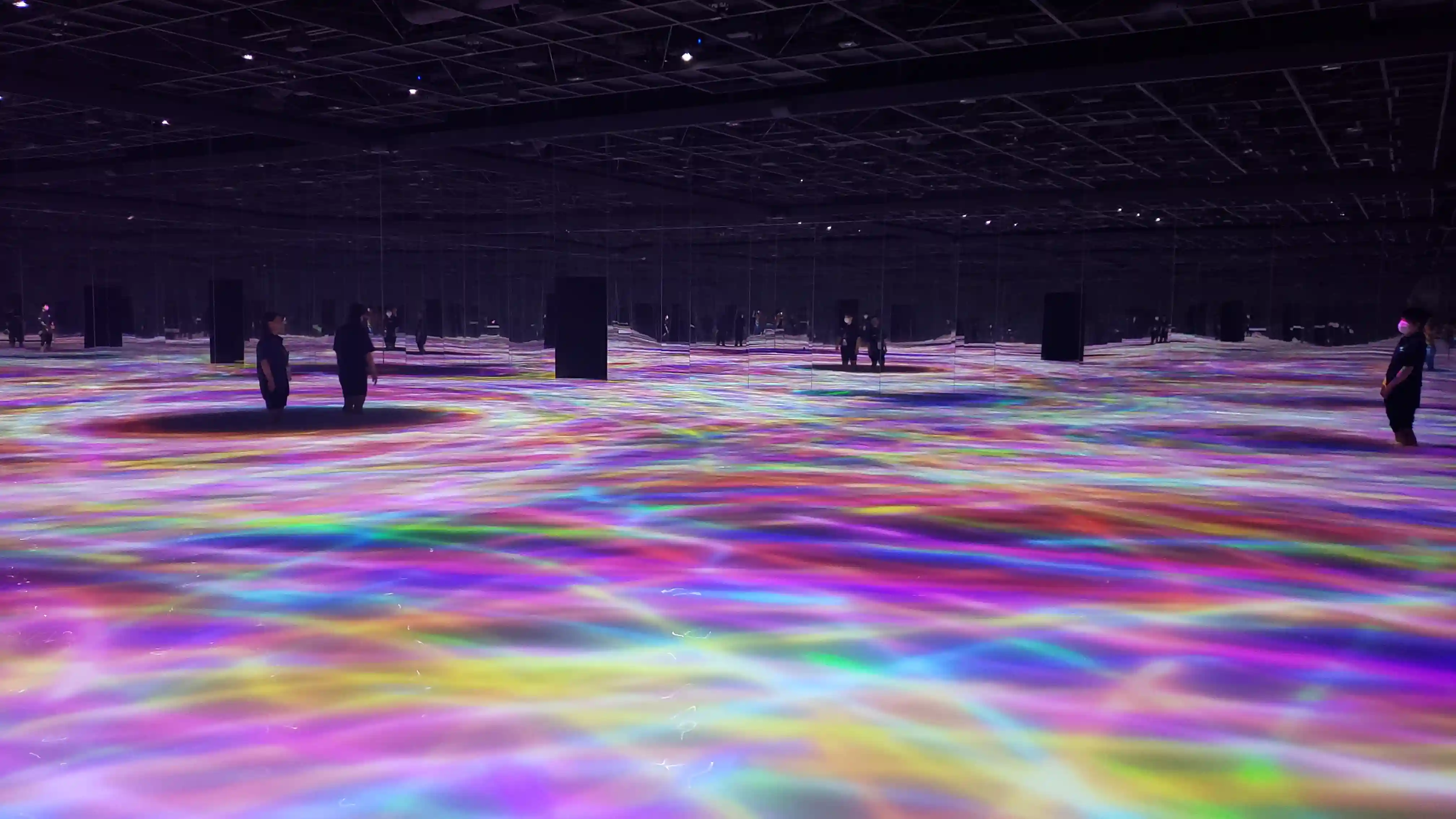
teamLab Planets (チームラボプラネッツ) in Toyosu is the kind of place that has been photographed so much it looks like it might be disappointing in person. It isn't. You walk through water that comes up to your knees into a room where the ceiling, floor, and walls are covered in projected flowers that react to your movement. The effect is legitimately disorienting in the best possible way. It takes about 60 to 90 minutes and you'll be barefoot the entire time, which removes any temptation to rush.
Rain has zero effect on the experience here. The entire installation is underground. If anything, a gray day outside makes the contrast inside more dramatic. The main caveat: tickets sell out on weekends and you cannot buy them at the door. Book online a few days ahead, or check for same-week availability on weekday mornings.
teamLab Borderless vs. Planets
teamLab Borderless reopened in a new Azabudai Hills location. Borderless is larger and more maze-like; Planets is more concentrated and intense. Both require advance booking. If you can only do one, Planets is the easier commitment and arguably the more memorable hour.
Ueno Museum Cluster + Edo-Tokyo Museum 上野・江戸東京博物館 : History That Fills a Full Rainy Day
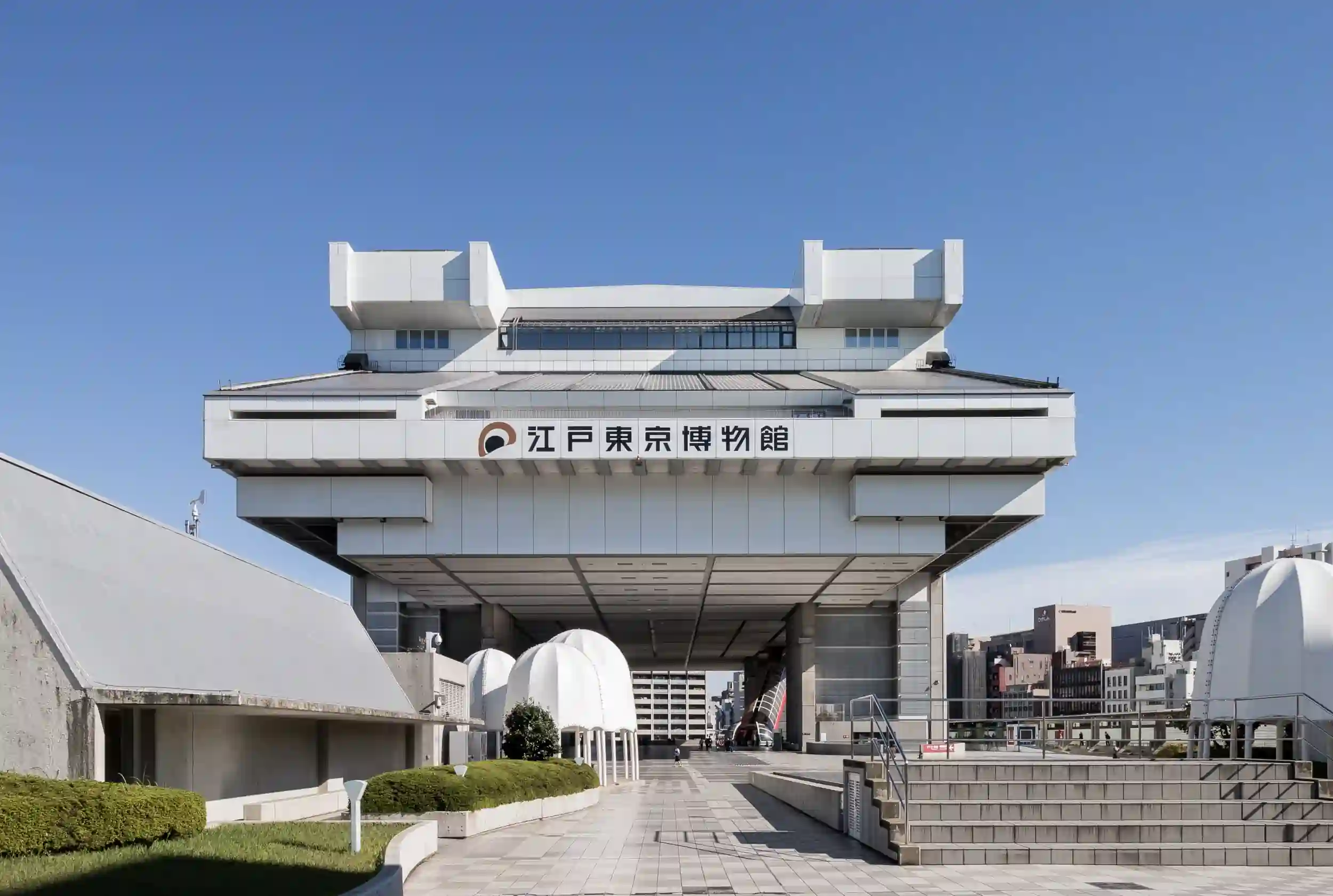
Ueno Park (上野公園) has the highest concentration of major museums in Tokyo within walking distance of a single station. The Tokyo National Museum (東京国立博物館) holds the world's largest collection of Japanese art and antiquities (samurai armor, Noh masks, lacquerware, woodblock prints) spread across multiple buildings and more floors than most people have time to cover. The National Museum of Nature and Science (国立科学博物館) has dinosaur skeletons, a full blue whale suspended from the ceiling, and enough variety to keep children moving for three to four hours without repeating anything. The National Museum of Western Art (国立西洋美術館) is a UNESCO-listed Le Corbusier building with a solid permanent collection. Rain doesn't reach any of them.
The new addition for a 2026 guide: the Edo-Tokyo Museum (江戸東京博物館) in Ryogoku has been closed for a major multi-year renovation and officially reopens on March 31, 2026. If you're reading this guide in the months after that date, it's immediately one of the best options in the city for understanding what Tokyo actually looked like before it looked like this. Scale models of Edo-era neighborhoods, reconstructed merchant streets, and exhibits on how the city was built, destroyed, and rebuilt. It's in Ryogoku, which is also where most of the sumo stables are concentrated, a neighborhood worth walking even if you don't go inside anywhere.
Rainy weekend strategy
Ueno's outdoor paths get quieter in rain, making the museum entrances less congested than a typical dry weekend. Arrive when they open, usually 9:30 AM, for the lightest foot traffic inside. If you're combining with the Edo-Tokyo Museum in Ryogoku, do Ueno in the morning and take the JR Sobu Line east to Ryogoku after lunch. It's a 15-minute train ride and a completely different atmosphere.
Old-School Kissaten 喫茶店 : Coffee Without a Time Limit
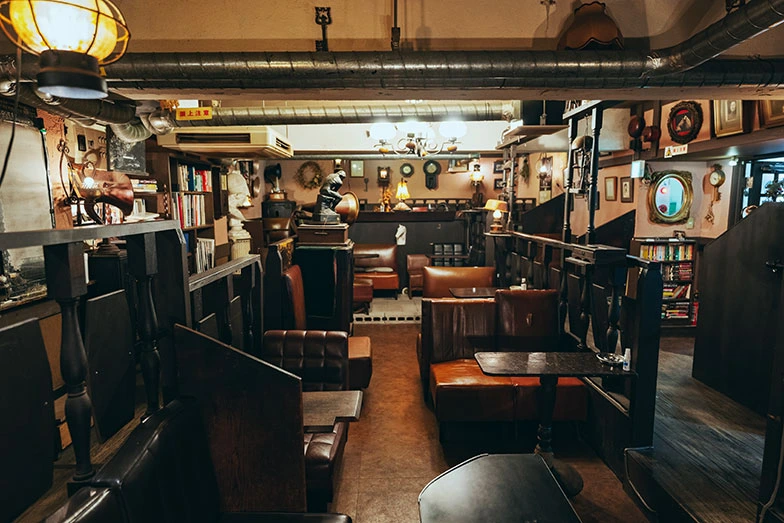
A 喫茶店 (kissaten) is a Japanese-style coffee shop that predates the third-wave coffee trend by several decades. Expect: dark wood panelling, individual booths, strong drip coffee in heavy ceramic cups, sometimes a light food menu (morning toast, egg salad sandwiches, parfaits), and, critically, nobody standing nearby waiting for your table. You order, you sit, and the unspoken agreement is that you stay as long as you need to. On a rainy day, this is the most underrated option on the list.
Koenji has an especially high density of good ones, as does Shinjuku Sanchome. Look for older shop fronts, hand-written menus, and counter seats facing the window. The ones with plastic food displays outside are generally the ones worth ducking into. Chains like Doutor are fine but entirely different in character. The experience you're looking for involves a proprietor in their sixties, a jazz record playing at low volume, and rain on the glass.
Vocabulary that helps
Otearai wa doko desu ka (お手洗いはどこですか) means "where is the restroom?", useful in any sit-down situation. Our Japanese travel phrases guide has the full set of practical ordering and navigation phrases.
Toyosu Senkyaku Banrai 千客万来 : Edo-Era Market Town, Fully Indoors, Next to the Fish
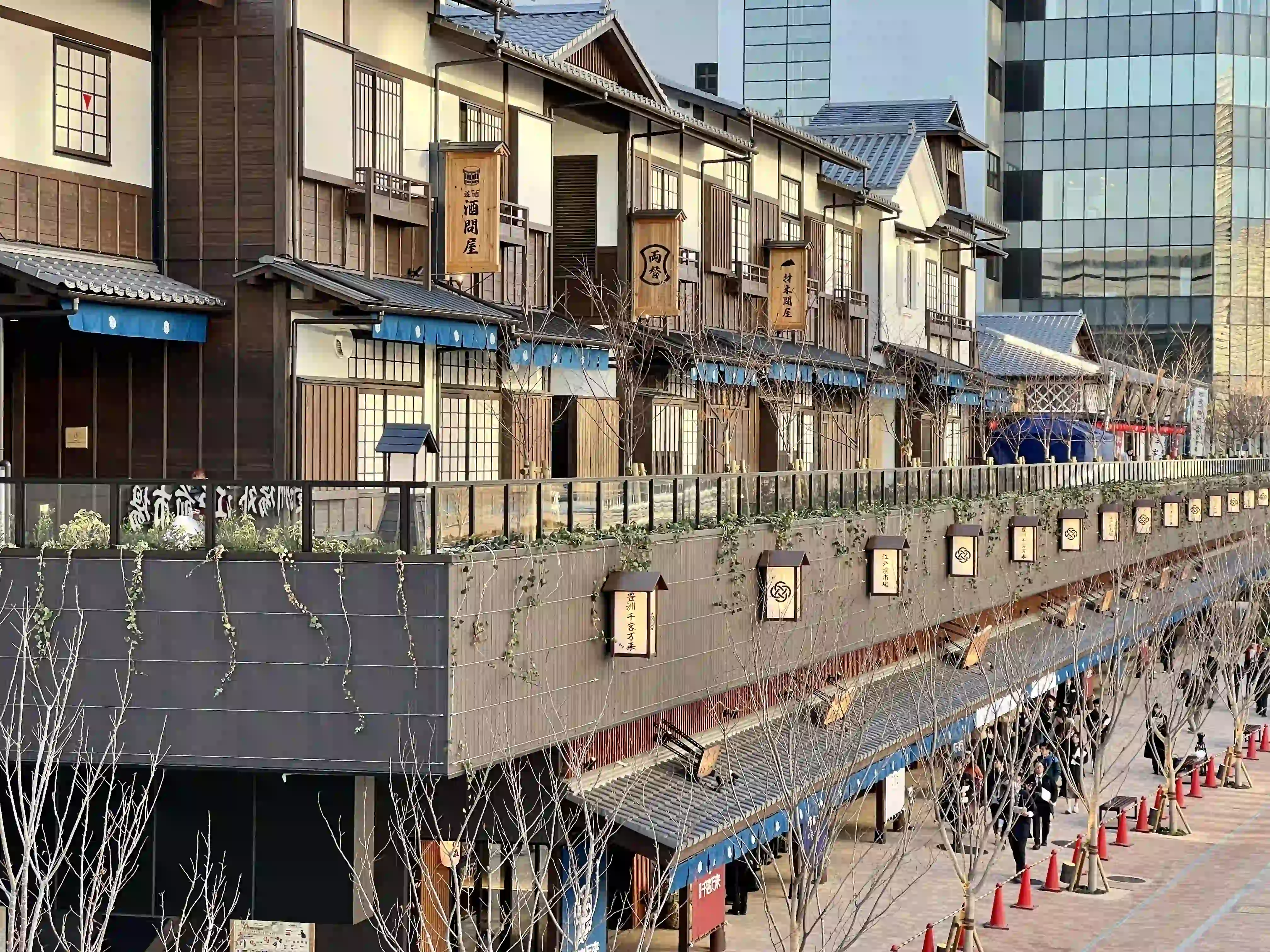
Tsukiji Outer Market is partly covered and perfectly fine in light rain, but heavy rain turns the cross-lanes into a problem, and the recommendation to arrive before 10 AM stops working if you're also watching a weather radar at 7 AM. Toyosu Senkyaku Banrai (千客万来), which opened in early 2024 directly adjacent to the Toyosu wholesale market, solves this entirely. The complex is a fully enclosed recreation of an Edo-period townscape (wooden shopfronts, lantern-lit corridors, 70 vendors) with the supply chain advantage of sitting next to one of the world's largest fish markets. The seafood quality is serious because the sourcing is serious.
The building runs across multiple floors. The food stalls and seafood vendors are concentrated on the lower levels; the eighth floor has a foot bath (足湯, ashiyu) with views over Toyosu and Tokyo Bay. On a rainy day that eighth floor foot bath has a specific appeal: you're warm, you've just eaten well, and you're watching rain hit the bay from a height. It's a more specific experience than the Tsukiji outer market scramble, and it works at any time of day rather than requiring you to be there at 8 AM.
Ordering at a counter
Pointing works everywhere here. If you want to ask the price: "ikura desu ka" (いくらですか). If the vendor offers you something you didn't order, "kore wa nan desu ka" (これは何ですか), meaning "what is this?", is a safe response. Our Japanese restaurant phrases guide covers counter dining situations in more detail.
Game Center Arcade ゲームセンター : Legitimately Worth an Afternoon
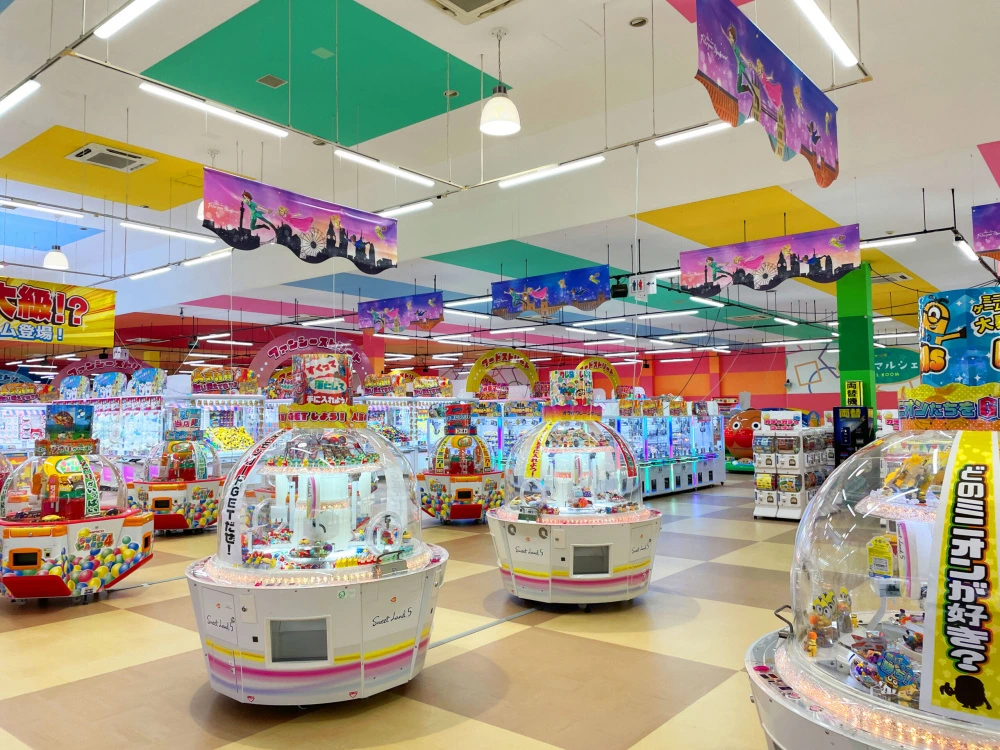
Japanese game centers (ゲームセンター, geemu sentaa) are not like the arcades you may be picturing. Multi-floor buildings with dedicated zones for rhythm games, crane games, fighting games, photo booths (プリクラ, purikura), and occasionally mahjong rooms. Akihabara has the highest concentration; Shinjuku has Taito Station and others on the entertainment strip near the east exit. The sounds are chaotic and the lighting is fluorescent and it's somehow very easy to lose two hours without noticing.
The UFO catcher (crane game) machines are deliberately difficult but not impossible: the staff will sometimes adjust the machine if you've spent more than a certain amount without winning. Rhythm games like Taiko no Tatsujin (太鼓の達人) and Maimai require no Japanese to play. The photo booth machines produce incredibly over-processed photos and are genuinely fun with other people.
Akihabara pairing
Akihabara (秋葉原) is worth a longer look even if arcades aren't your primary interest. The electronics shops, manga and figure stores, and maid cafes (メイドカフェ) are all indoors and all part of a specific Tokyo subculture that doesn't exist anywhere else with this density. A rainy day is a reasonable excuse to wander it properly.
📍 Planning your Tokyo itinerary?
Reading katakana makes menus, signs, and game screens instantly usable, faster than pointing a translation app at them and waiting. The Kana Challenge covers both hiragana and katakana in about a week of light practice.
Try Kana Challenge Free →Department Store Basement : デパ地下 (Depachika)
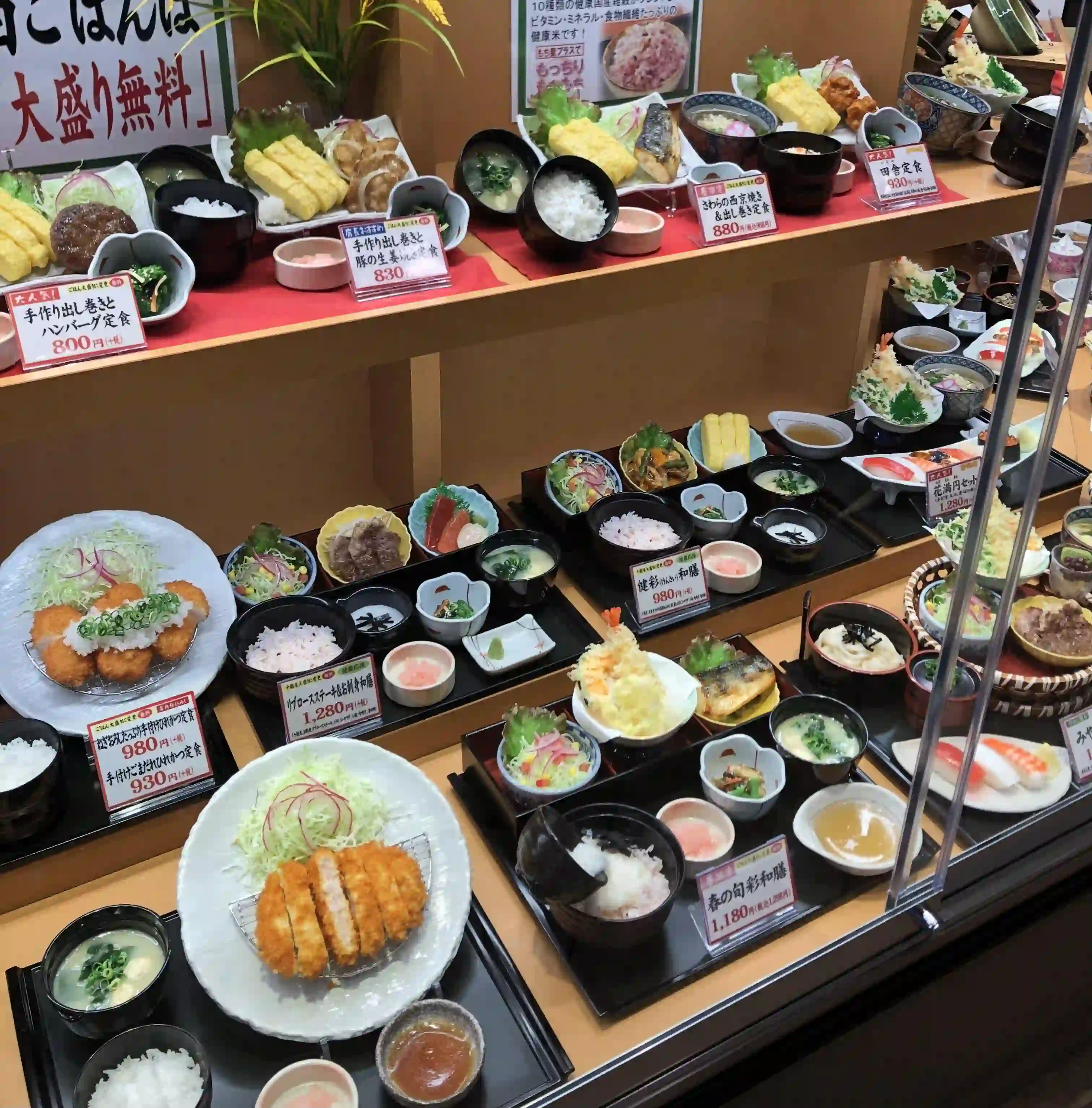
デパ地下 (depachika, meaning "department store underground") refers to the basement food halls found in major Japanese department stores. These are not supermarkets. Isetan in Shinjuku, Takashimaya in Nihonbashi, and Mitsukoshi in Ginza each have multiple basement floors of prepared food, fresh produce, confectionery, bento boxes, imported cheese, artisan wagashi (和菓子, Japanese sweets), and freshly made items you can eat immediately. Every counter is staffed by someone who takes their work seriously.
The correct approach is to graze. Take the escalator down, walk the full perimeter of the floor, eat a few things standing near the counter where you bought them, and continue. You can spend ¥2,000 or ¥10,000 in here and both experiences are valid. It's also worth looking at the packaging on confectionery: gift wrapping in Japan is a discipline, and the care that goes into a box of wagashi at a depachika is genuinely worth pausing over.
Jinbocho Bookshops 神保町 : Tokyo's Book Town in the Rain
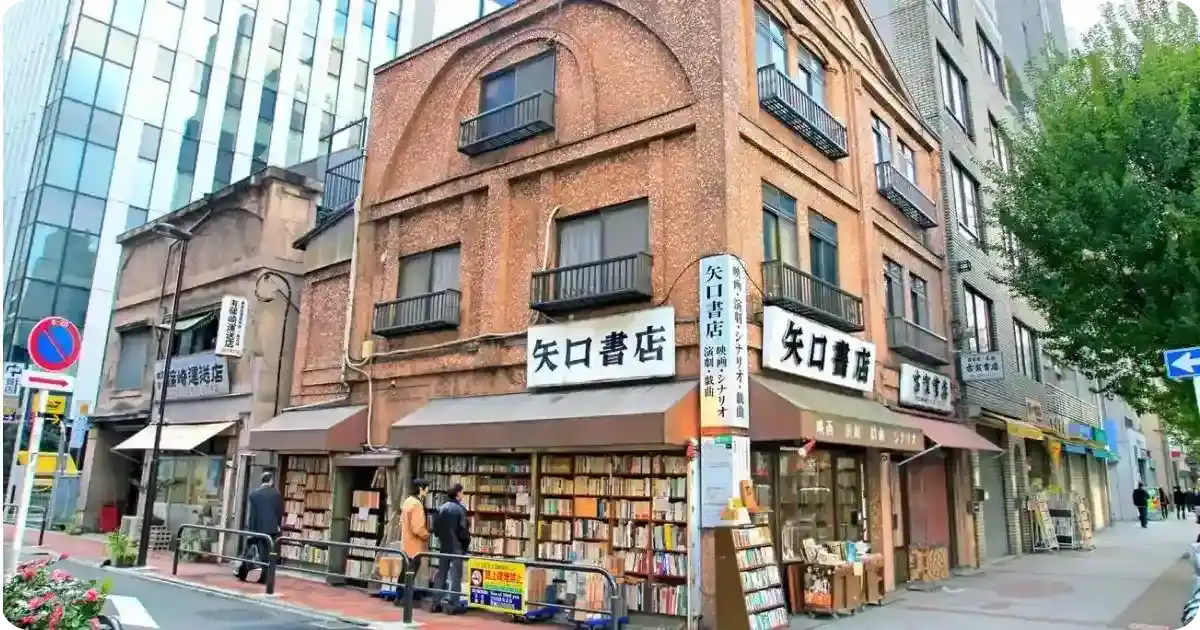
Jinbocho (神保町) is one of the world's largest concentrations of used and antiquarian bookshops: around 170 within a few blocks. Most of the stock is Japanese, but foreign-language sections exist across several shops, particularly for art books, academic texts, and manga. The outdoor bins that line the pavement do get rained on (the books in those are usually lower quality anyway), but the shops themselves are dry, warm, and staffed by people who clearly have opinions about their inventory.
Even without buying anything, wandering through Jinbocho is a specific pleasure on a gray day. The area also has a density of good curry restaurants that's slightly inexplicable given that it's a book district, but the association goes back decades and nobody questions it now. Kyoden, Bondy, and Vin Vin are all within a few minutes of each other. The combination of a used bookshop and a bowl of curry in the rain is as close to a perfect Tokyo rainy afternoon as this list gets.
Japanese reading practice
If you're studying Japanese, Jinbocho is an interesting place to test your reading at your own pace: manga, children's books, and graded readers all appear in the second-hand stock. Our immersive reading guide covers how to approach reading native material before you're fully comfortable with the language.
Sento or Day Onsen 銭湯・温泉 : Rain Is Actually the Right Occasion
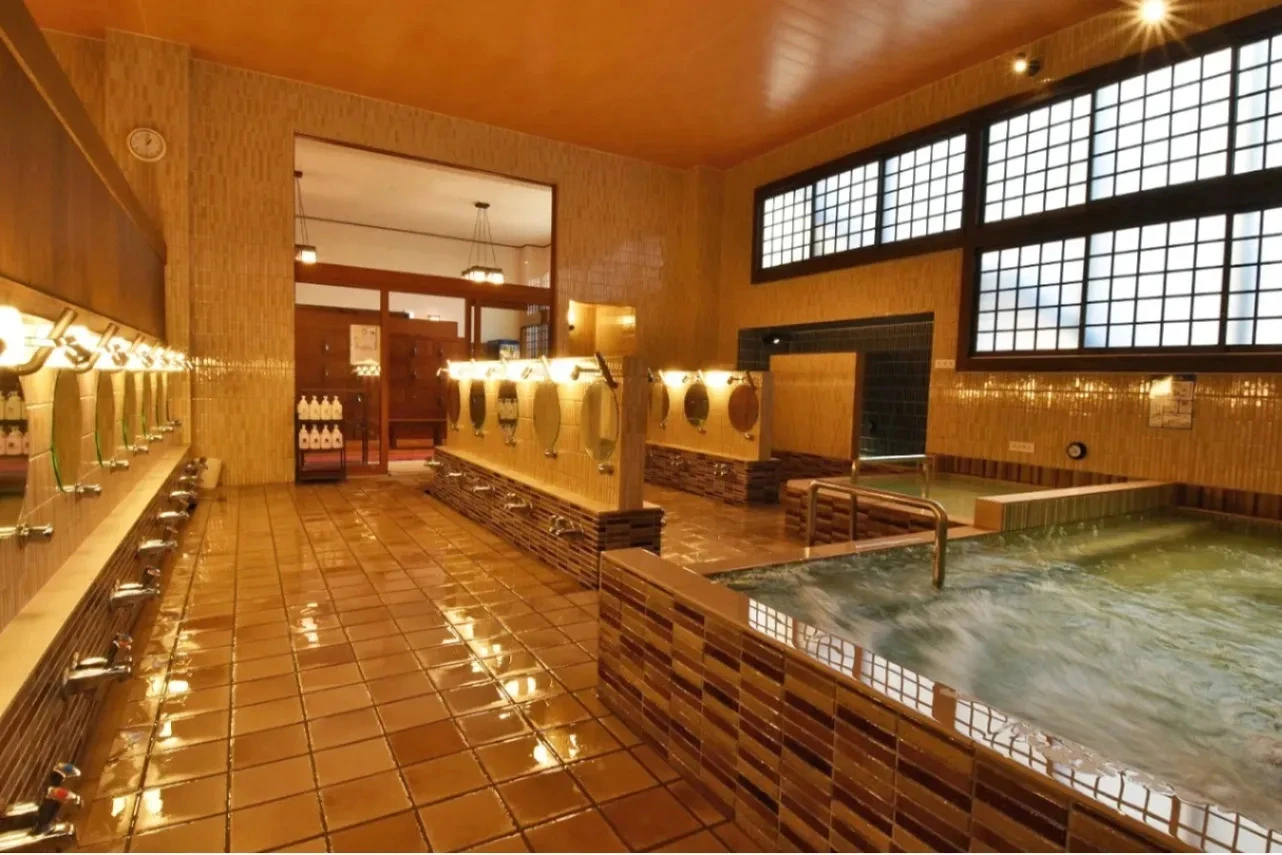
A 銭湯 (sento) is a public bathhouse. Not a hot spring, technically, but heated communal baths that have been a fixture of Tokyo neighborhoods for over a century. Entry is typically ¥500–¥700. You bring (or rent) a small towel, you wash thoroughly at the showers before entering the bath, and you sit in hot water with strangers without talking much. It is deeply pleasant on a cold, wet day.
If you want an actual onsen (温泉, natural hot spring water), Oedo Onsen Monogatari in Odaiba was the most famous Tokyo example but closed permanently in 2021. Alternatives with genuine onsen water include Spa LaQua in Bunkyo (inside Tokyo Dome City) and Thermae-Yu in Shinjuku, which pipes in water from an onsen source. Both are fully indoor, open late, and worth the higher admission around ¥2,500–¥3,000.
Mori Art Museum 森美術館 : Contemporary Art Above the City
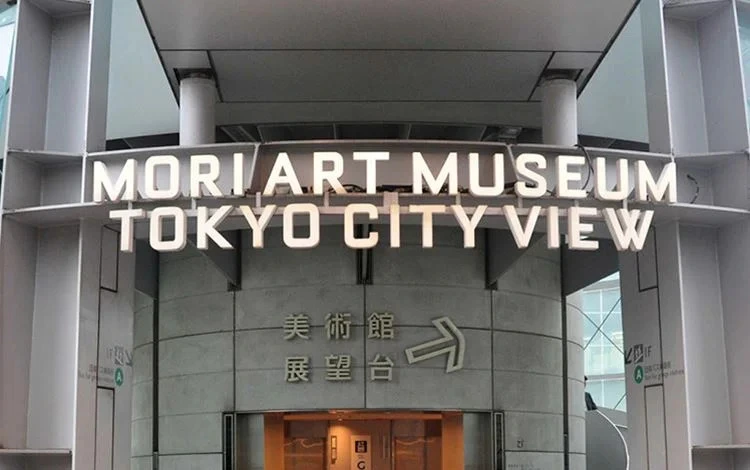
The Mori Art Museum (森美術館) sits on the 52nd floor of Roppongi Hills Mori Tower and covers contemporary and international art, typically with large-scale installations that change by exhibition. The programming is genuinely good, not a tourist trap museum. The building also contains the Tokyo City View observation deck, which is included in the admission ticket. On a clear day the view is extraordinary. On a rainy day, the clouds are at the same level as the windows and it's a different kind of extraordinary.
Mori is also one of the few major Tokyo museums open late: until 10 PM on most days, midnight on Tuesdays and Fridays. This makes it viable as an evening activity after dinner in Roppongi rather than a commitment to the whole afternoon. Worth checking the current exhibition before going; like all contemporary art spaces, some shows are better than others.
Ikebukuro Sunshine City サンシャインシティ : A Full Rainy Day With No Outside Required
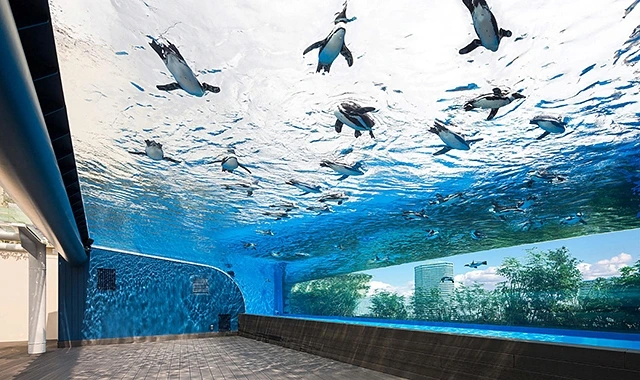
Sunshine City (サンシャインシティ) in Ikebukuro is what happens when you put an aquarium, an indoor theme park, a planetarium, a Pokémon Center, and several floors of shopping into a single building connected directly to a train station. You arrive via Higashi-Ikebukuro station on the Yurakucho Line, walk through an underground passage, and do not need to step outside again until you decide to leave. If you're traveling with children and woke up to a serious rain warning, this is the answer.
The Sunshine Aquarium (サンシャイン水族館) is on the roof level and has a well-regarded penguin and seal exhibit. Namjatown (ナンジャタウン) is an indoor theme park with rides, food attractions, and a dessert quarter that gets specific in ways that are hard to explain until you're standing in front of a gyoza museum section at 2 PM. The J.J. Planetarium runs shows throughout the day. None of this requires Japanese to navigate, and the building maps are bilingual. A family of four can arrive at 10 AM with no plan and still be arguing about what to do next at 4 PM.
Ikebukuro beyond Sunshine City
Ikebukuro has a well-established anime and manga district along Otome Road (乙女ロード) and a dense cluster of specialty shops that makes Akihabara's coverage feel less complete than people assume. If you're done with Sunshine City before dinner, that part of the neighborhood is a five-minute walk and entirely indoors-friendly. Our ramen phrases guide is useful here too: Ikebukuro has several vending-machine ramen shops worth finding.
Frequently Asked Questions
What is the best rainy day activity in Tokyo for families?
Are Tokyo museums open on rainy weekends?
Where should I go in Tokyo if it rains unexpectedly?
Is teamLab Tokyo worth visiting on a rainy day?
What Japanese phrases do I need for rainy day indoor spots?
📋 Planning a Tokyo trip beyond the rain?
When the weather clears, there are ten more neighborhoods worth knowing about that don't show up on the first page of Tokyo travel results. Some are five minutes from spots already on your list.
The short version
teamLab Planets requires advance booking and is worth it. The Ueno museums require no booking but close Mondays. If you're visiting after March 31, 2026, add the Edo-Tokyo Museum in Ryogoku to the itinerary. Kissaten requires nothing except knowing what you're looking for. The depachika is always open and always good. Jinbocho is for people who read. The sento is for people who are cold and wet. If you came with a family and woke up to heavy rain, Sunshine City in Ikebukuro is the only entry on this list that can actually fill a whole day without anyone complaining there's nothing to do. If it's Monday, it's raining, and you have no plan, Mori Art Museum is open late and the arcade is open later.