Beyond Dotonbori and Osaka Castle, discover old shopping streets, neighborhood parks, public baths, local coffee shops and other parts of Osaka that many visitors never see.
When most visitors picture Osaka, they imagine Dotonbori’s neon signs, takoyaki, Osaka Castle, and perhaps Universal Studios Japan.
Those places are popular for a reason. But they are only one version of the city.
The Osaka I find most interesting is the ordinary one: old shopping streets, neighborhood parks, tiny coffee shops, public baths, residential train lines, and streets where people are simply going about their day.
If you have already seen the famous sights, or just want to try something else, here are ten ways to see a more local side of Osaka. This is not a ranking; each one shows a different slice of daily life in the city.
Quick answer: what to do in Osaka beyond the famous sights
Walk south from Shinsekai into Nishinari, spend an afternoon in Tsurumi Ryokuchi park, shop on a covered street like Senbayashi, explore the old streets of Hiranogo, try Okinawan food in Taisho, go out in Juso, ride the Hankai Tram, visit a neighborhood sento, eat breakfast in a kissaten and buy dinner from a supermarket.
Many travelers visit Tsutenkaku and Shinsekai. Far fewer continue walking south.
Once you pass the busiest tourist streets around Shinsekai and move toward Dobutsuen-mae, Haginochaya and deeper into Nishinari, the atmosphere changes quickly.
You start seeing older shopping streets, inexpensive restaurants, local cafés, small businesses and residential areas that feel very different from central Namba.
Nishinari is sometimes introduced through exaggerated stories about its reputation. It is more rewarding to visit it as you would any other neighborhood: walk around, stop somewhere for lunch, explore the shopping streets and notice how quickly Osaka changes within a few train stops.
Local tip: If you visit Shinsekai, do not automatically turn around after seeing Tsutenkaku. Give yourself another hour and keep walking south.
2
Spend an Afternoon at Tsurumi Ryokuchi
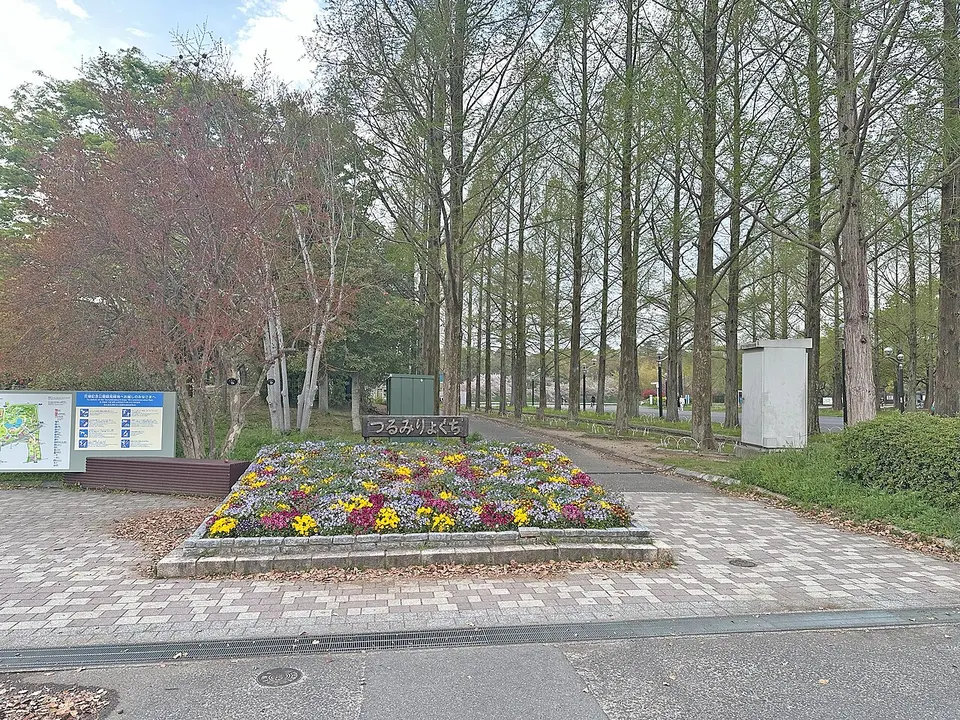
Tsurumi Ryokuchi (Expo '90 Commemorative Park), April 2025. Photo: Tokumeigakarinoaoshima, CC0, via Wikimedia Commons.
Few Osaka sightseeing lists include a huge park. Tsurumi Ryokuchi is worth the trip for that reason.
For many people who live in Osaka, a park is where a day off happens: walking, exercising, meeting friends, having a picnic or taking children outside.
Tsurumi Ryokuchi is the former site of the 1990 International Garden and Greenery Exposition and is large enough that you can easily spend several hours there. Open lawns, gardens, walking paths and the Sakuya Konohana Kan botanical conservatory make it easy to slow down without feeling like you are checking attractions off a list.
Buy some food, find somewhere to sit and spend an afternoon doing very little. That can feel more local than sightseeing.
Local tip: Pick up lunch or snacks before entering and treat the park like a normal weekend outing rather than a tourist destination.
3
Shop at Senbayashi Like You Actually Live in Osaka
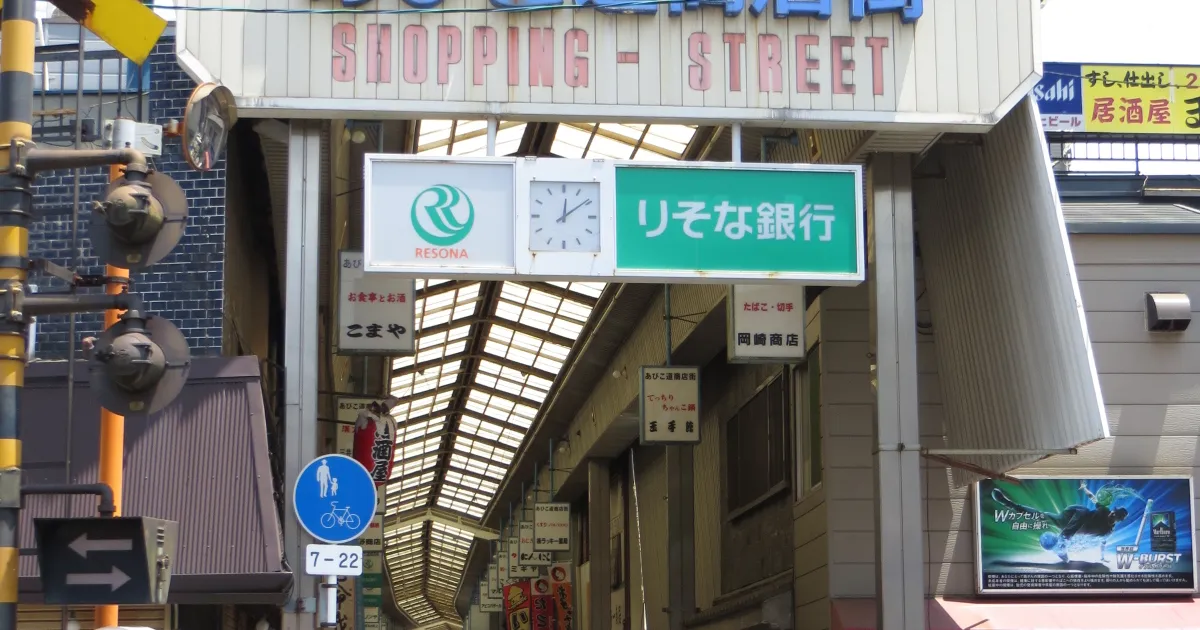
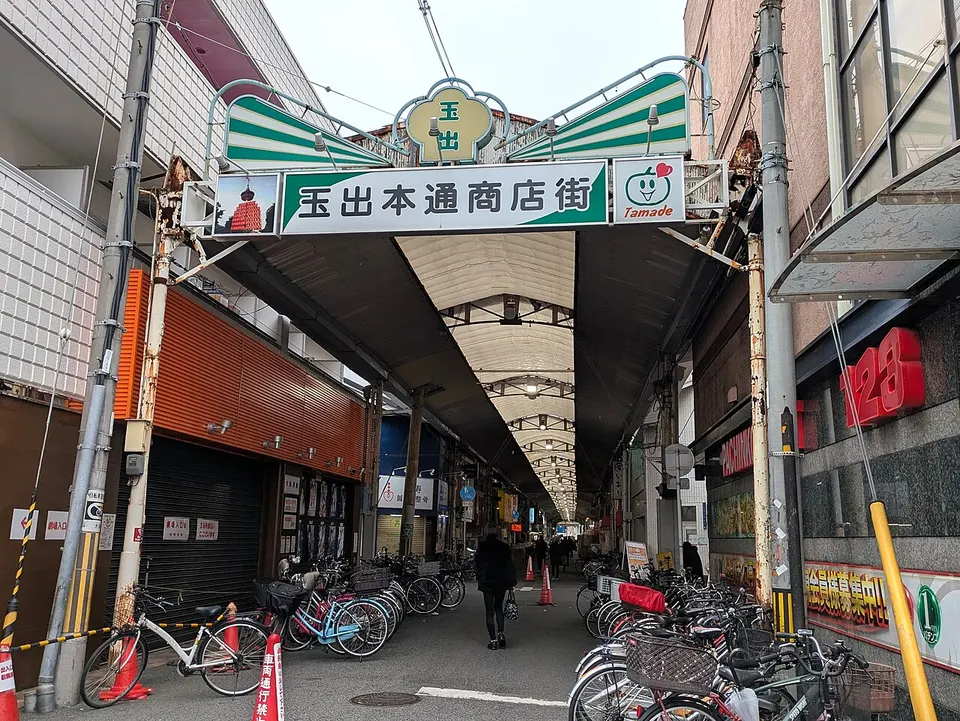
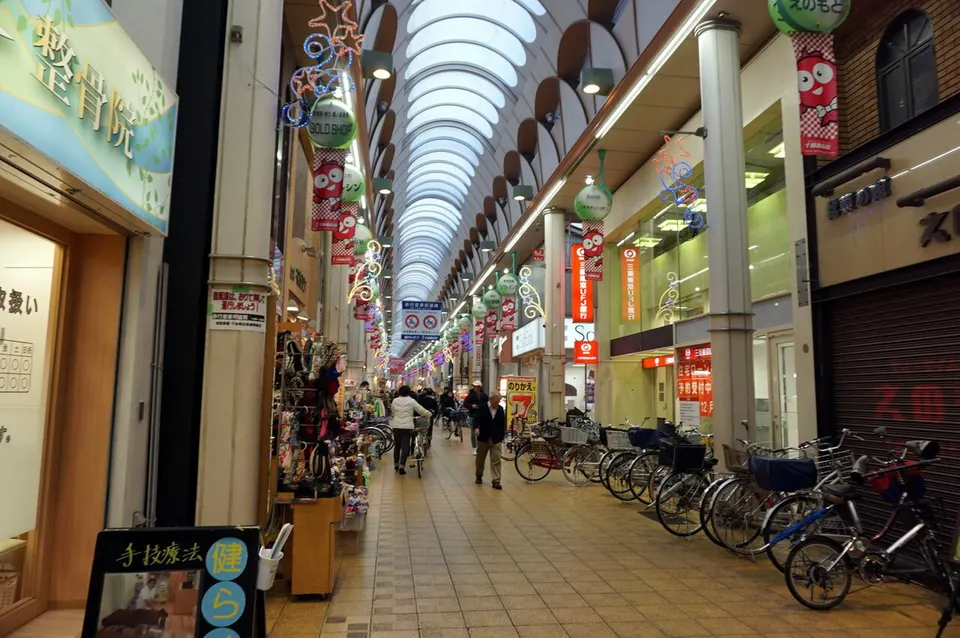
Osaka is famous for covered shopping streets, but the ones outside the central tourist areas serve a different crowd: the people who live nearby.
Senbayashi is a good example. Its long covered shopping street is filled with food shops, restaurants, pharmacies, clothing stores and everyday goods used by people in the neighborhood.
Instead of looking for souvenirs, try shopping like someone who lives nearby. Buy a croquette from a small food shop. Try a snack you have never seen before. Look at the fruit and vegetables. Walk into a store because the window caught your eye.
You do not need a sightseeing plan here. You are there to watch a shopping arcade do its everyday job for the neighborhood.
Local tip: Come hungry. Small prepared-food shops are part of the fun.
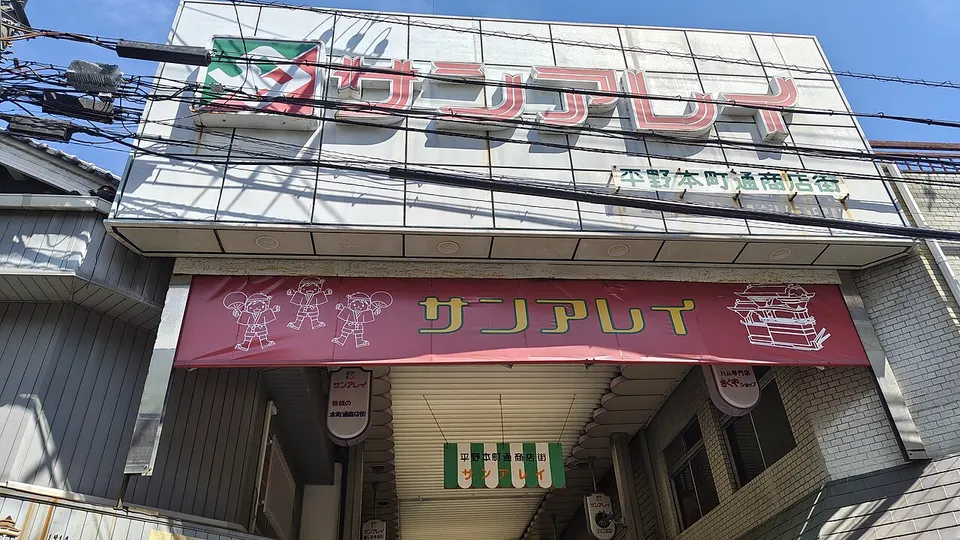
Osaka is usually associated with bright signs, busy stations and modern city streets. Hirano shows a much older side of the city.
The area around Hiranogo has a long history, and you can still find temples, shrines, narrow streets and older buildings scattered through the neighborhood.
There is no single landmark to rush toward. Walk slowly. You may notice an old wooden building between modern houses, a tiny shrine beside an ordinary road, or a street layout that looks nothing like central Osaka.
Hirano is a good place to remember that Osaka existed for centuries before its modern image of neon, comedy and street food was created.
Local tip: Skip the strict route. Getting slightly lost is how you find the good corners.
5
See Osaka’s Okinawan Side in Taisho
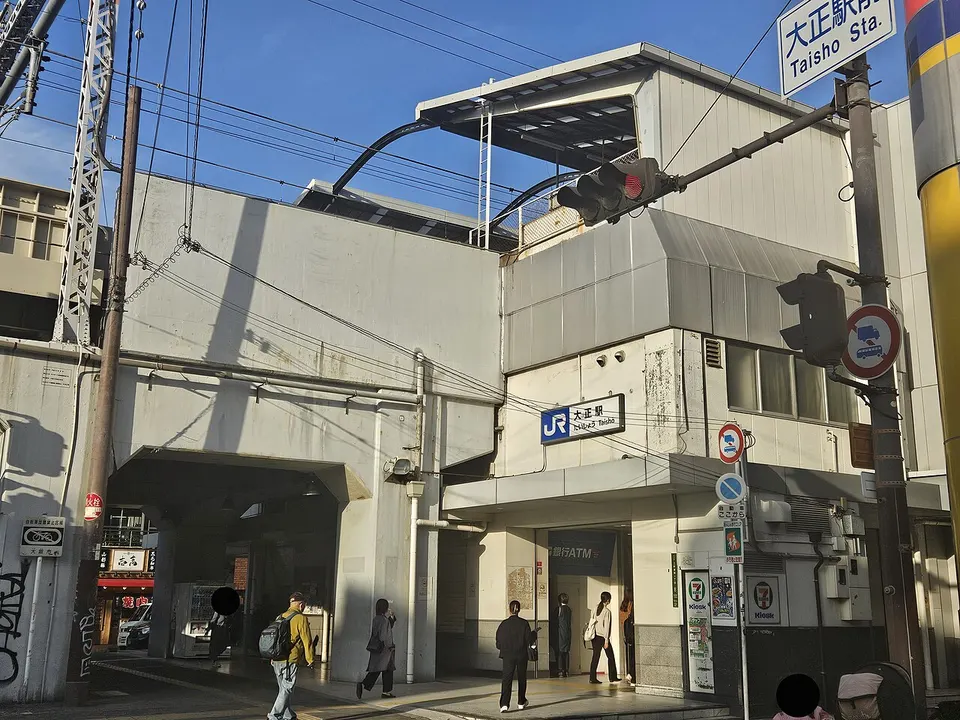
JR Taisho Station building, the usual entry point to the ward. Photo: Niiryoku2910, CC BY-SA 4.0, via Wikimedia Commons.
Osaka’s local culture is not one single culture, and Taisho shows it clearly.
The ward has long-standing connections with Okinawan communities, and visitors can find Okinawan restaurants, food products and cultural influences in parts of the area.
For an overseas traveler, it can be surprising to discover a strong Okinawan identity inside Osaka. It also says something about the city: Osaka has been shaped by people moving here from different parts of Japan over generations.
Instead of staying only around Taisho Station, travel a little farther into the ward and look around.
Local tip: Try an Okinawan dish here rather than automatically choosing another Osaka specialty.
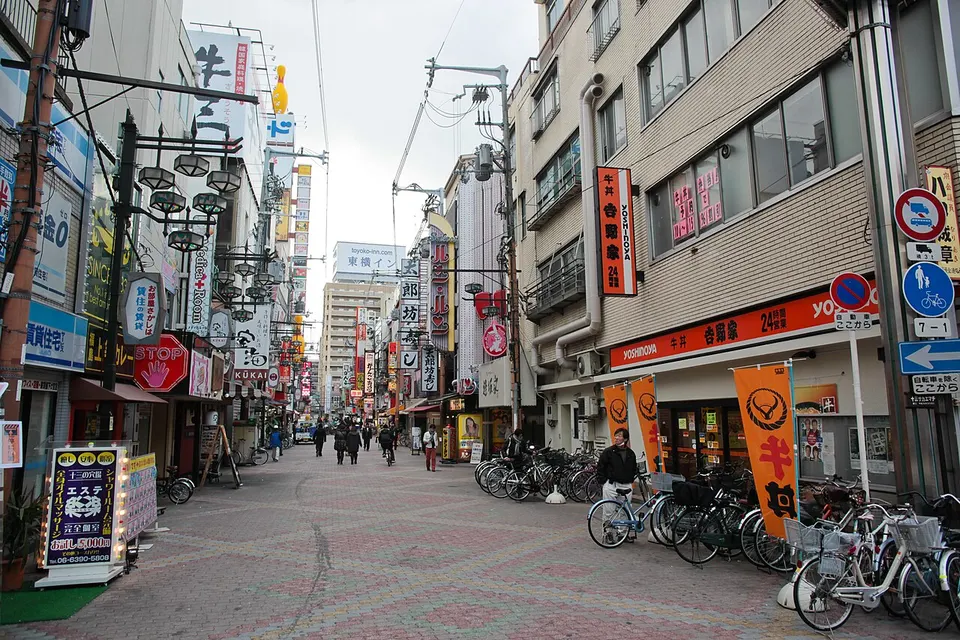
If you ask visitors where to go out at night in Osaka, most will say Namba or Dotonbori. Locals have many other options.
Juso sits just across the river from Umeda, but the atmosphere is quite different. Around the station you will find narrow streets, small restaurants, bars and places where people stop after work.
It is less polished than the major entertainment districts. Pick one small restaurant, then a bar, and let the evening develop without planning every stop.
You do not need the ‘best’ restaurant in Juso. People go out here after work, and you are joining them.
Local tip: Small places can be more enjoyable than searching for a famous restaurant with hundreds of online reviews.
Most visitors experience Osaka through the subway. Try seeing it from street level instead.
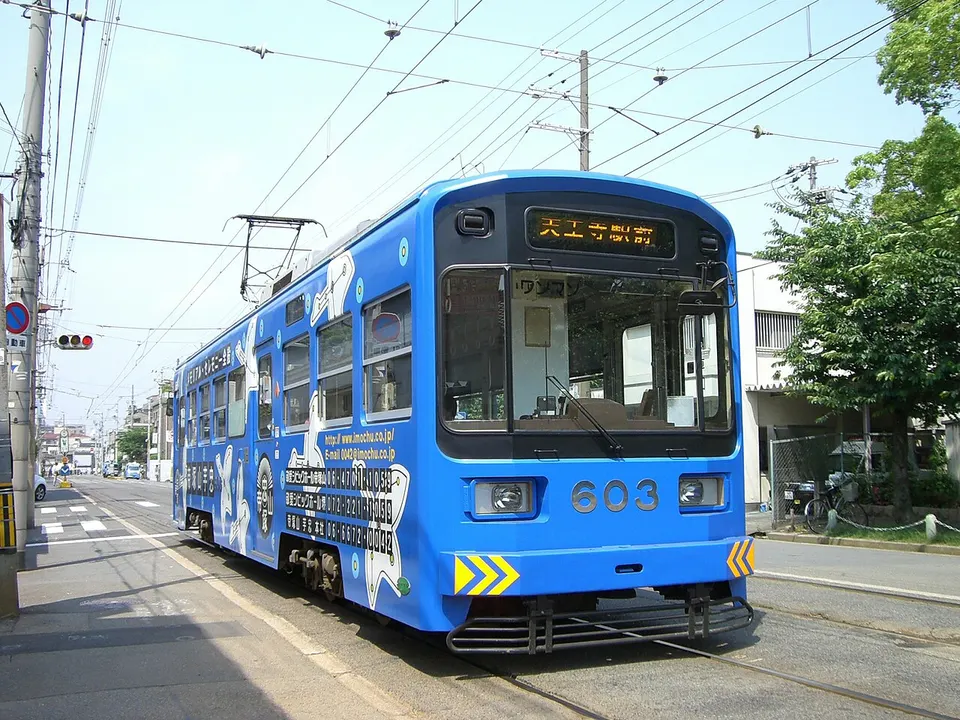
The Hankai Tramway runs through neighborhoods in southern Osaka and into Sakai, passing ordinary homes, local shops and streets that most tourists never see.
The tram itself feels slower and more relaxed than traveling underground. Get on around Tennoji or Ebisucho and ride south. You can stop around Sumiyoshi, explore the neighborhood, and continue whenever you feel like it.
No famous attraction needs to be waiting at the end. Watching the city change outside the window is enough.
Local tip: Do not treat the tram only as transportation. Give yourself time to get off somewhere that simply looks interesting.
8
Visit a Neighborhood Sento
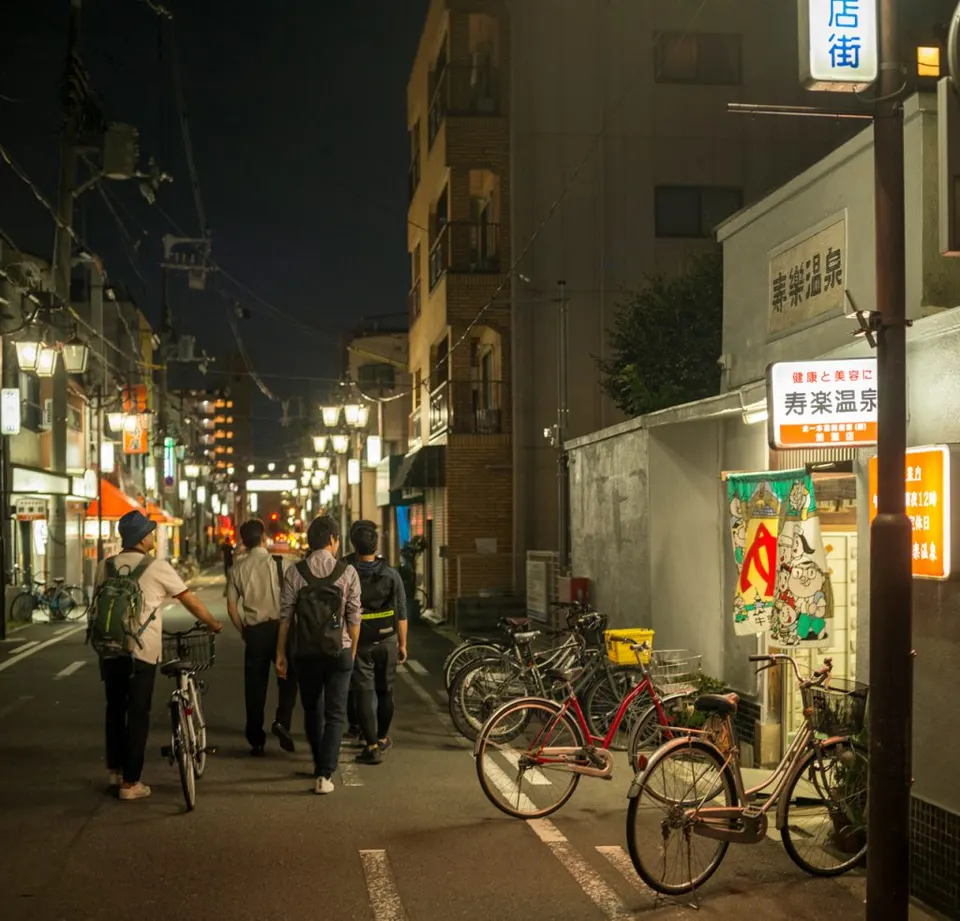
Juraku Sento in Kitakagaya, with bicycles parked outside. Photo: Patrick M. Lydon, CC BY-SA 4.0, via Wikimedia Commons.
Japan is famous for onsen, but a neighborhood sento is a different thing: a public bathhouse that locals use as part of their routine, not a resort.
After a long day of walking, find a local bathhouse, wash properly before entering the bath and spend some time relaxing.
The experience can be extremely simple: hot water, local regulars and a quiet walk back through the neighborhood afterward. That simplicity is what makes it memorable.
Each bathhouse has its own rules, including policies about tattoos, so check before visiting.
Local tip: Bring a small towel or check whether towels can be rented at the entrance.
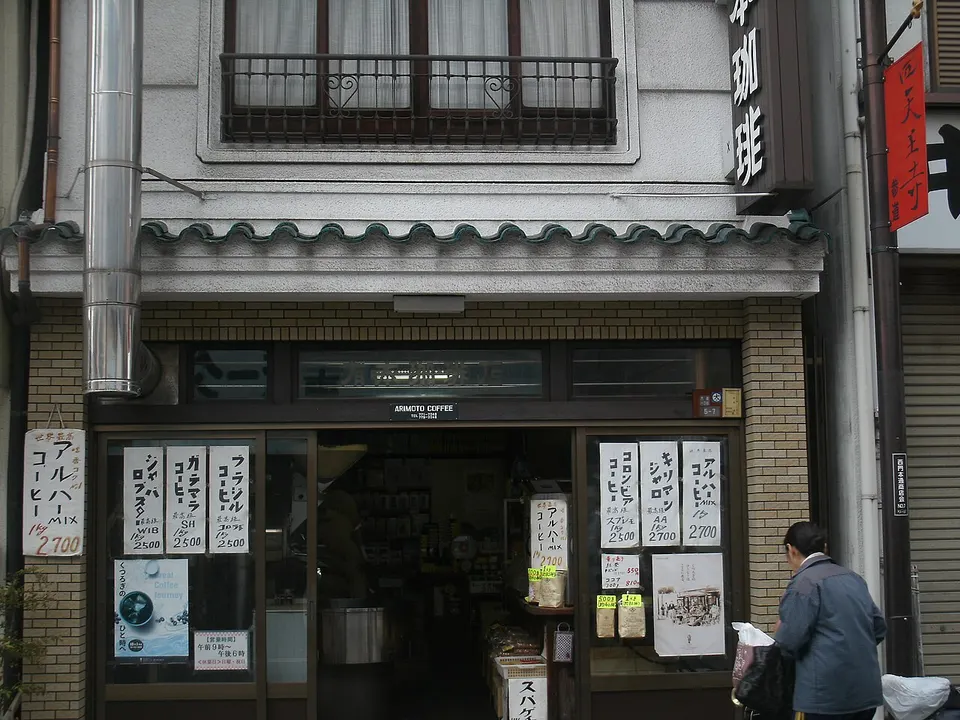
One morning, skip the international coffee chain and look for an old Japanese kissaten instead.
A classic neighborhood coffee shop may have dark wooden furniture, old menu boards, newspapers and regular customers who have been going there for years.
Order a morning set if they have one. Depending on the shop, it may include coffee, toast, eggs or another simple breakfast.
Then do something tourists rarely allow themselves to do: stay for a while. Do not rush to the next attraction. Drink your coffee slowly and watch the neighborhood wake up.
Local tip: Search for 喫茶店 (kissaten) rather than only ‘cafe’ when looking on a map.
10
Buy Dinner From a Local Supermarket
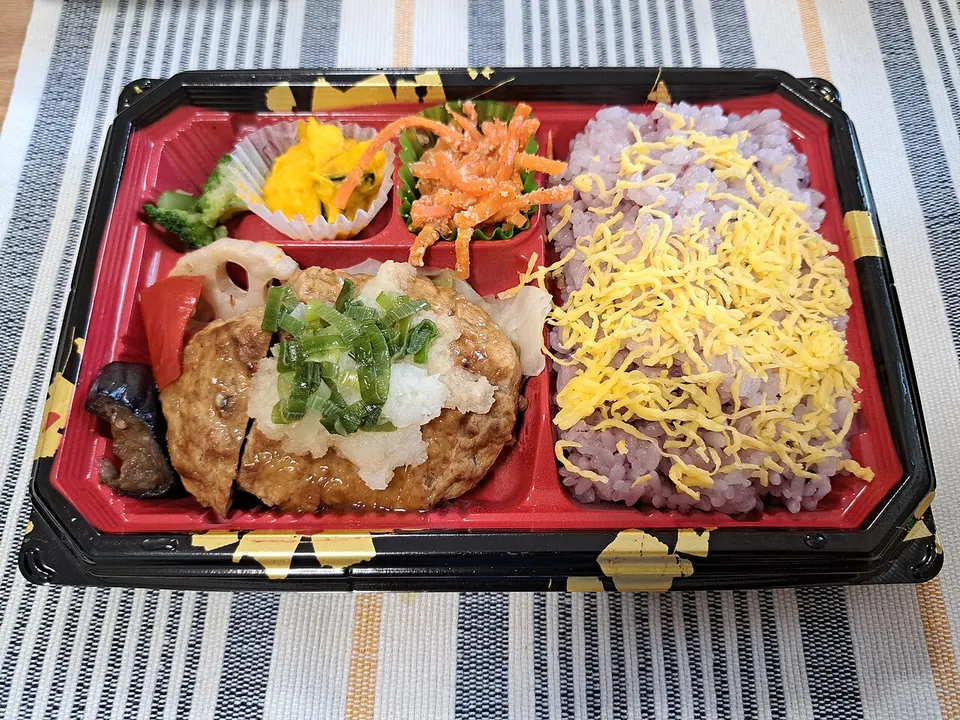
A supermarket bento from the prepared-food section. Photo: RuinDig / Yuki Uchida, CC BY 4.0, via Wikimedia Commons.
This may sound like the least exciting recommendation on the list. It is also one of the most local.
Visit an ordinary supermarket in the evening and look through the prepared-food section. You may find sushi, bento boxes, fried food, noodles, salads and dishes you would never think to order in a restaurant.
Later in the evening, some prepared foods may also be discounted. Choose whatever looks good and take it back to your hotel.
Japanese supermarkets are not designed as tourist attractions, and that is the point. You are buying dinner where someone living nearby might stop after work.
Local tip: Do not only look at sushi. The prepared side dishes are often the most interesting part.
See Osaka Without Trying to “Do Osaka”
There is nothing wrong with visiting Dotonbori, Osaka Castle or the other famous sights. You should see them.
But try giving yourself half a day, or even just a few hours, with no major attraction planned.
Ride a tram through a residential neighborhood. Walk through an old shopping street. Have coffee somewhere with no English menu. Buy dinner from a supermarket. Sit in a park where nobody around you is sightseeing.
Sometimes the best way to understand a city is to spend a little time living inside it.
And that is the Osaka many visitors miss.
Japanese for the Local Side of Osaka
At many of these places, signs and menus may be in Japanese only. These are the words you will see most, and the two questions worth asking at a sento.
What are some local things to do in Osaka besides Dotonbori and Osaka Castle?
Walk south from Shinsekai into Nishinari, spend an afternoon at Tsurumi Ryokuchi park, shop on the Senbayashi covered shopping street, explore the older streets around Hiranogo, try Okinawan food in Taisho, go out for the evening in Juso, ride the Hankai Tram, visit a neighborhood sento, have breakfast in a kissaten and buy dinner at a local supermarket.
How do I find an old-fashioned coffee shop in Osaka?
Search for 喫茶店 (kissaten) instead of only “cafe” on your map. Order the morning set (モーニング, mōningu) if the shop has one. Depending on the shop, it may include coffee, toast, eggs or another simple breakfast.
Can I visit a Japanese sento if I have tattoos?
It depends on the bathhouse. Each sento sets its own rules, including its policy on tattoos, so check before you go. Wash properly before entering the bath, and bring a small towel or check whether towels can be rented at the entrance.
Where does the Hankai Tram run?
It runs through neighborhoods in southern Osaka and into Sakai. Get on around Tennoji or Ebisucho and ride south. You can get off around Sumiyoshi to explore and continue whenever you like.
Is supermarket food discounted in the evening in Japan?
Some prepared foods may be discounted later in the evening, depending on the store. The prepared-food section often has sushi, bento boxes, fried food, noodles, salads and side dishes.
About the author
Reiji Tatara is the founder of TabiTrace, a travel platform built around real trips and first-hand travel experiences. Born in Osaka, he writes from a local perspective about the everyday places and experiences that often sit outside the standard tourist route.
Say It Out Loud Before You Go
FluencyTool lets you listen to native audio, record yourself saying a phrase and compare the two. Useful for the kissaten order and the sento question above.